
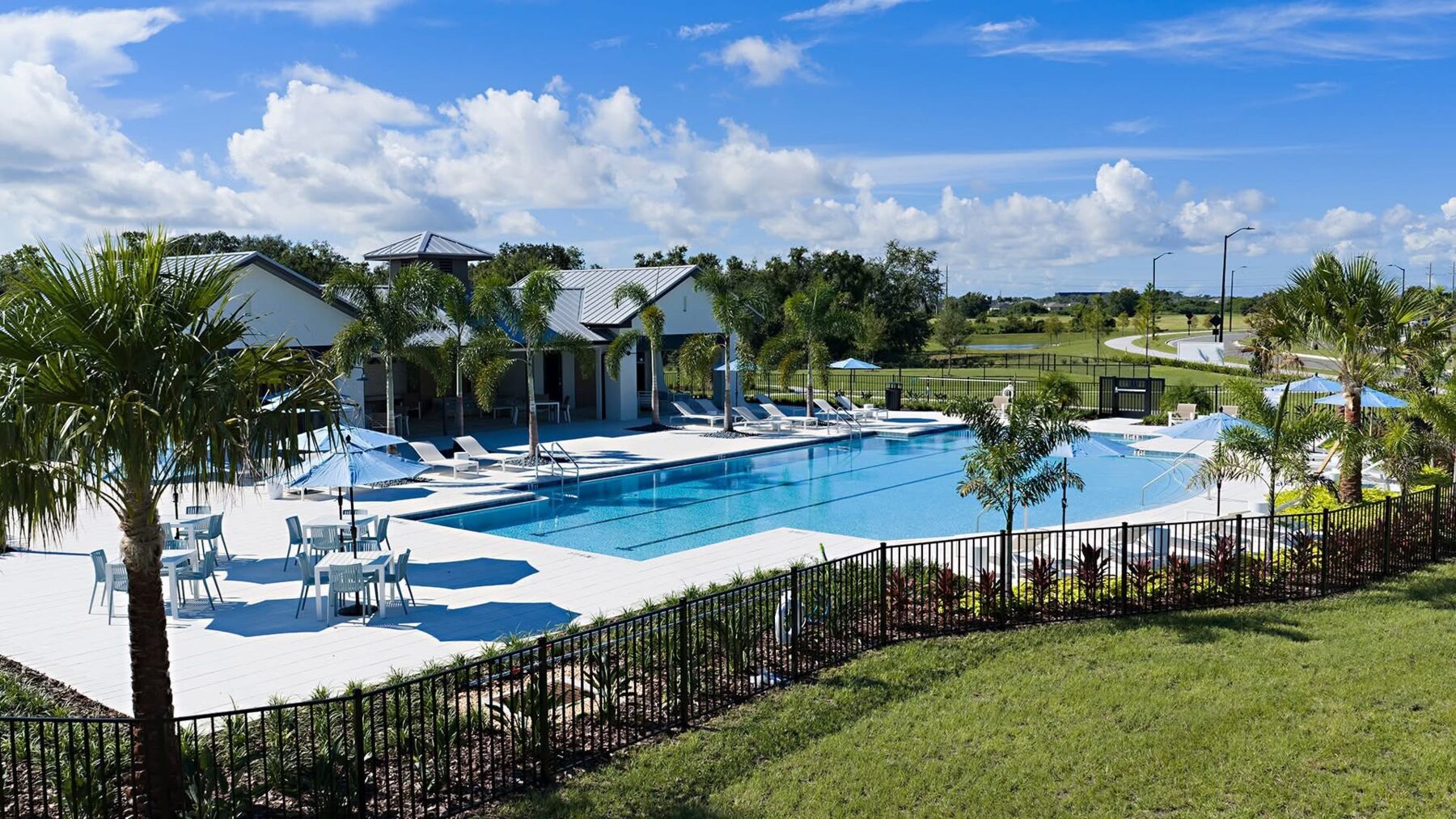
Living in Palmetto, FL

 )
)
Building a new home is exciting. You get to choose everything from your floorplan and exterior design to the finishes and features that make the space feel uniquely yours.
While it's tempting to focus on cosmetic upgrades like countertops and cabinet colors, some of the smartest decisions you can make are the ones that increase your home's long-term value. Many of the most valuable upgrades are features that would be difficult or significantly more expensive to add after construction is complete.
If you're wondering what upgrades increase home value, here are some of the best investments to consider while building your new home.
One of the easiest answers to the question, "What upgrades add value to a home?" is additional functional living space.
When you're building from the ground up, adding square footage is often far more cost effective than completing a major renovation years later. Features like these can make your home more versatile while also increasing its appeal to future buyers:
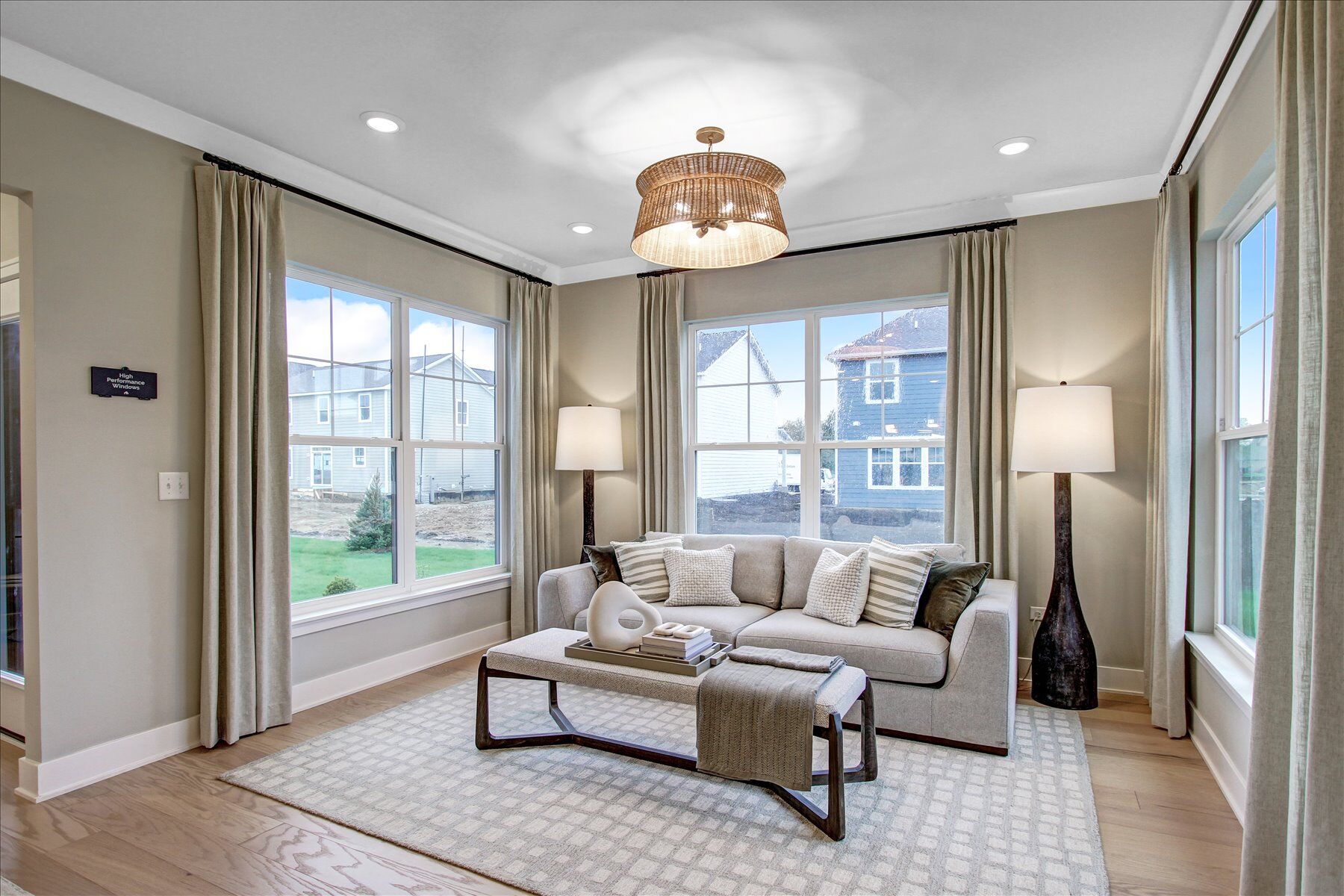
A bright morning room can quickly become one of the most loved spaces in the home. Whether it's used as a breakfast nook, reading room, play area, or plant-filled retreat, this additional space creates flexibility while maximizing natural light.
Adding a sunroom after a home is built often requires foundation work, structural changes, and significant construction costs. Including it during the initial build is usually the more affordable option.
Outdoor living remains a top priority for many homeowners, especially in states like Florida and Texas. An outdoor entertaining area can make your home feel larger while expanding your usable living space.
These features create opportunities for dining, relaxing, and hosting guests while enhancing your home's overall appeal.
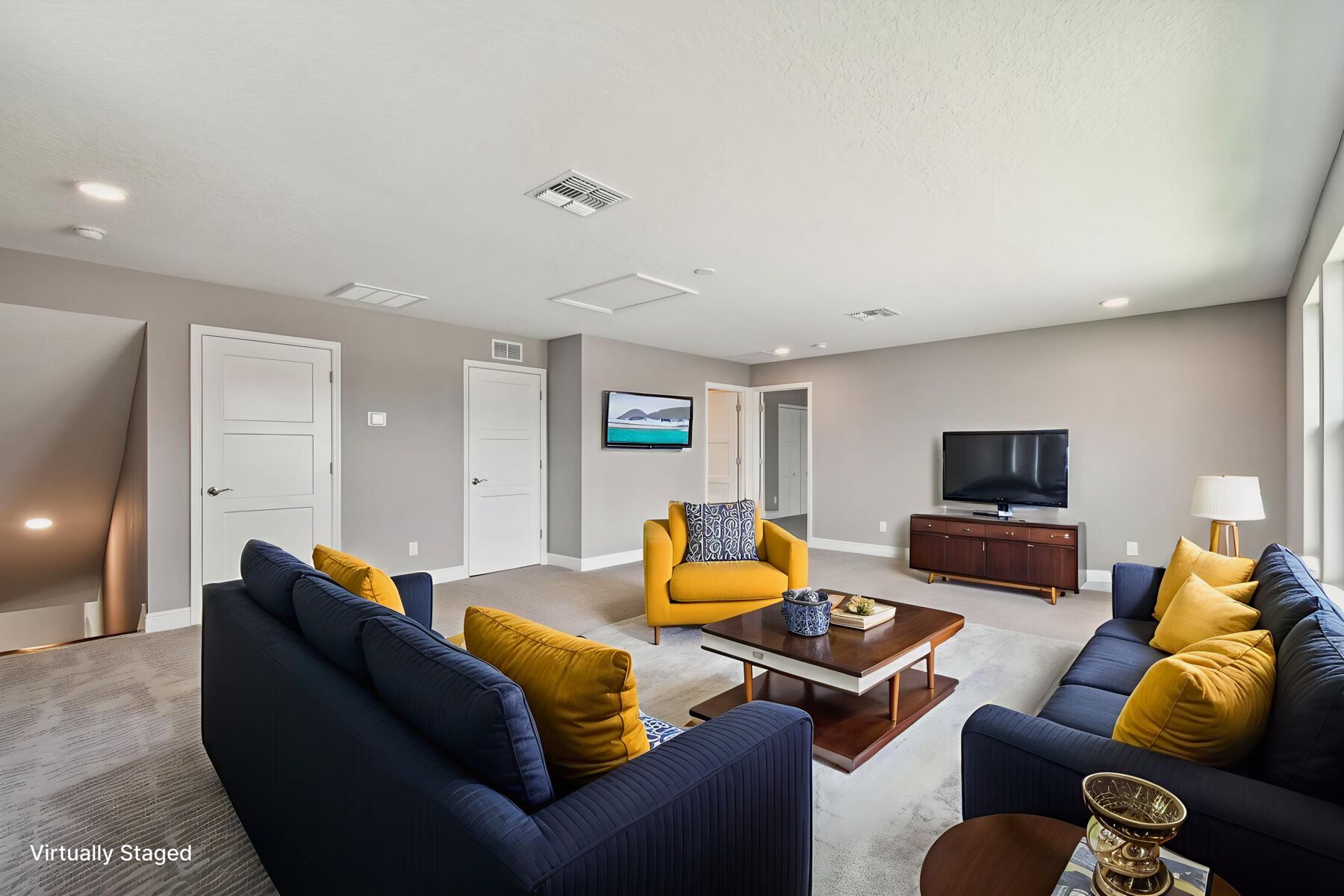
A bonus room is one of the most flexible upgrades available. Today's homeowners are using bonus rooms as home offices, fitness spaces, media rooms, or children's playrooms.
The versatility of a bonus room can help your home adapt to changing needs over time, which is something both current homeowners and future buyers appreciate.
If your floorplan includes a basement, finishing part or all of the space can dramatically increase usable square footage.
A finished basement can serve as an entertainment area, additional living room, guest suite, workout space, or even a multi-generational living arrangement. Completing the space during the build is often simpler and more cost-efficient than undertaking a major basement renovation later.
When it comes to resale value, bedrooms and bathrooms consistently matter.
If your builder offers options for an additional bedroom, guest suite, or extra bathroom, it may be worth considering. Larger households, multi-generational families, and future buyers often place a premium on homes that provide more flexibility and privacy.
Even a powder room addition can make everyday living more convenient while increasing your home's appeal.
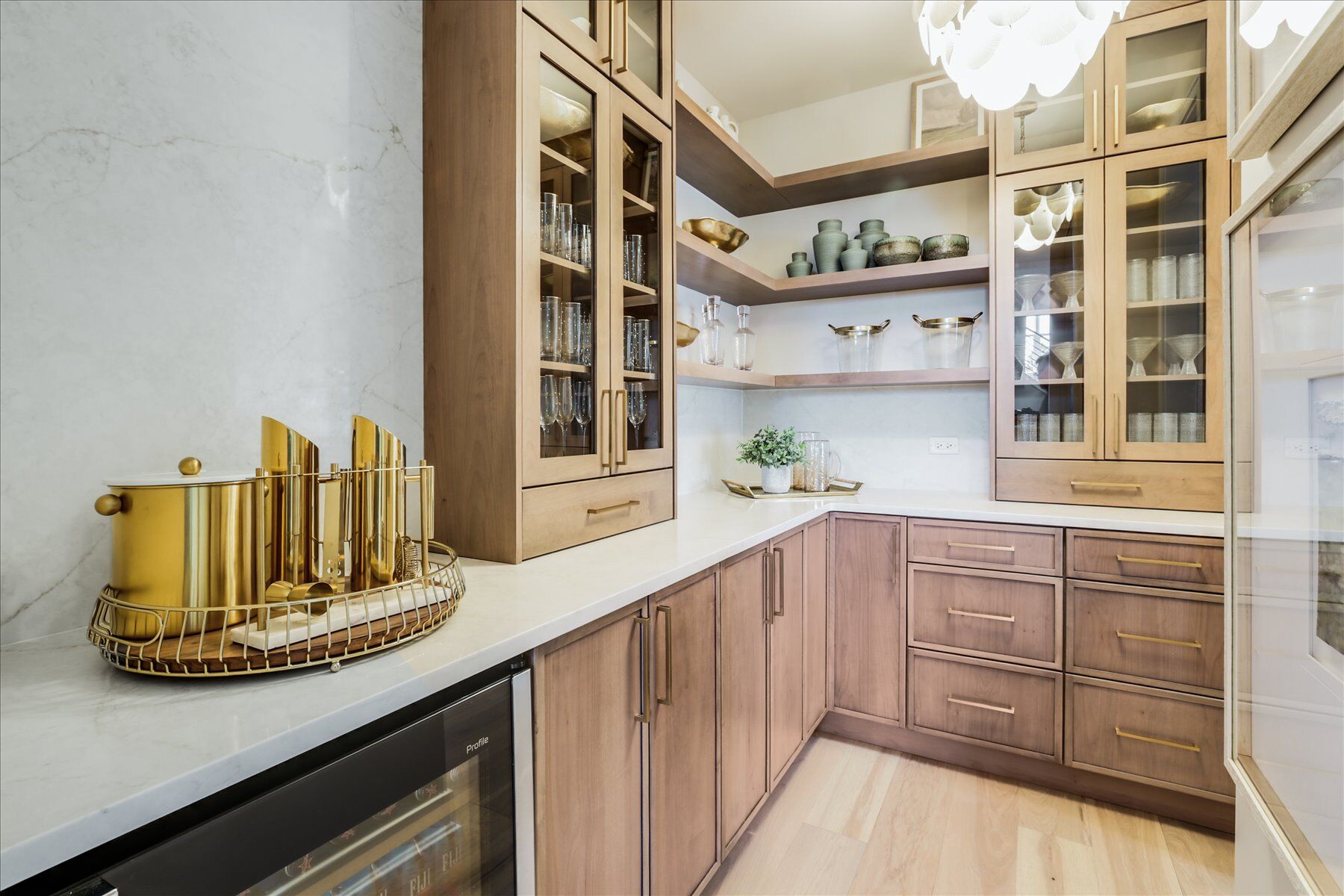
Storage may not be the most exciting upgrade, but it's one that homeowners rarely regret. Features that can add long-term value include:
These practical upgrades improve daily life while helping your home stand out in a competitive market.
When considering what upgrades add value to a home, don't overlook energy-efficient features. Not only can they enhance everyday comfort, but they may also help manage long-term utility costs.
Features such as energy-efficient windows, enhanced insulation, high-efficiency HVAC systems, and smart home technology can help regulate indoor temperatures, improve efficiency, and provide greater control over your home's energy usage.
By incorporating these upgrades during the building process, homeowners can enjoy a more comfortable living environment from day one.
Paint colors and light fixtures can always be changed later. Structural upgrades are a different story. When deciding where to invest your budget, prioritize upgrades that are physically difficult or costly to add after construction is complete, as structural improvements provide far greater long-term value than decorative finishes.
At the end of the day, the best upgrades are the ones you'll enjoy every day.
While resale value is important, your home should support your lifestyle now and for years to come. Features that improve comfort, flexibility, energy efficiency, and functionality often deliver value in more ways than one.
If you're asking what upgrades increase home value, start by looking at opportunities that add usable space, improve efficiency, and enhance the way you live. These are often the upgrades that pay dividends both in everyday enjoyment and long-term investment potential.
Explore our available floorplans and personalization options to find a home that fits your lifestyle today while supporting your goals for the future. Contact our team to learn more about building a new home with features you'll enjoy from day one.
Living in Palmetto, FL

New Construction Home Warranty: What You Should Know
By browsing, you accept our terms of use and privacy policy.


