
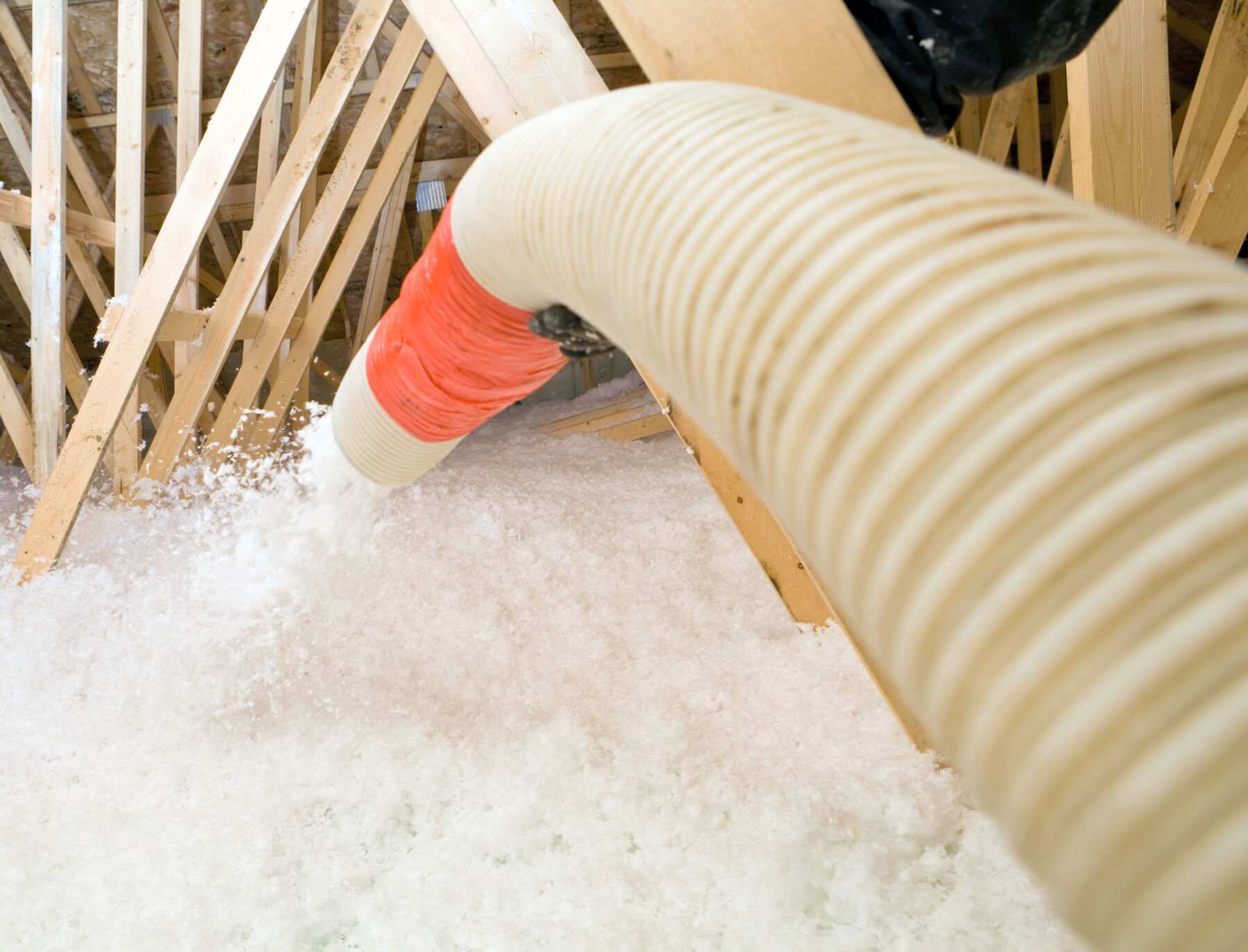
Are New Build Homes Actually More Energy Efficient?


 )
)
Minneapolis remains the economic heartbeat of the North, distinguished by its high concentration of Fortune 500 headquarters, a legendary park system, and a robust lifestyle that anchors the Twin Cities. As we move through early 2026, the primary question for residents is no longer about surviving a volatile market, but about timing an entry into a landscape that has undergone a significant structural shift.
Recent data confirms that the era of market gridlock has transitioned into a high-leverage window for buyers who were previously sidelined by competition. Minneapolis has entered 2026 as a premier "neutral" territory, where the extreme sellers' advantage has been replaced by a functional balance. This transition is marked by an 18% surge in active listings and a cooling of the hyper-competitive atmosphere that defined the last few years.
According to Minneapolis Area REALTORS®, the region is witnessing a healthy reset, offering shoppers a level of predictability and choice that makes 2026 a standout year for those looking to buy a home.
To navigate this evolving environment, here are 4 key pillars shaping the Minneapolis housing market in 2026.
Minneapolis’ active residential listings have experienced a substantial recovery, with the metro area maintaining approximately 2.5 to 3.1 months of supply as of July 2026. This level of inventory, as tracked by the St. Louis Fed (FRED), represents a notable improvement over the record lows of recent winters.
Whether you are targeting a new home in St. Michael or further south in Rosemount, the volume of available homes means you can now be more selective regarding property condition and floor plans. The pressure to make an offer within hours has dissipated, replaced by a market that rewards thorough due diligence.
The median home price in Minneapolis has stabilized at approximately $345,000 to $365,000. Unlike the double-digit surges of previous years, the market is now trending toward a more sustainable appreciation rate of 1.6%, according to Redfin data. This predictability acts as a safeguard for your budget, ensuring that your purchasing power remains steady as you explore various neighborhoods.
The local rental market is showing signs of a cooling trend, with average apartment rent sitting at $1,495/month. While this provides some relief to tenants, detached single-family home rents remain high, averaging approximately $2,300 per month according to Zumper. As the monthly costs associated with home financing become more predictable in 2026, the financial gap between leasing a house and owning one is reaching a multi-year low.
With homes now spending an average of 45 to 52 days on the market, the "take it or leave it" culture has faded. In its place, the 2026 Twin Cities forecast highlights a resurgence of seller-funded perks or builder incentives designed to move inventory.
Current incentives frequently utilized in Minneapolis include:
For those seeking long-term stability in a region known for its economic resilience and high quality of life, the 2026 Minneapolis market offers a rare combination of rising inventory and steady pricing. The market is no longer a sprint; it’s a strategic environment where buyers can perform due diligence and find a home that truly fits their life. While the "perfect deal" still requires a prepared buyer, the 2026 conditions are the most favorable for purchasers in recent memory.
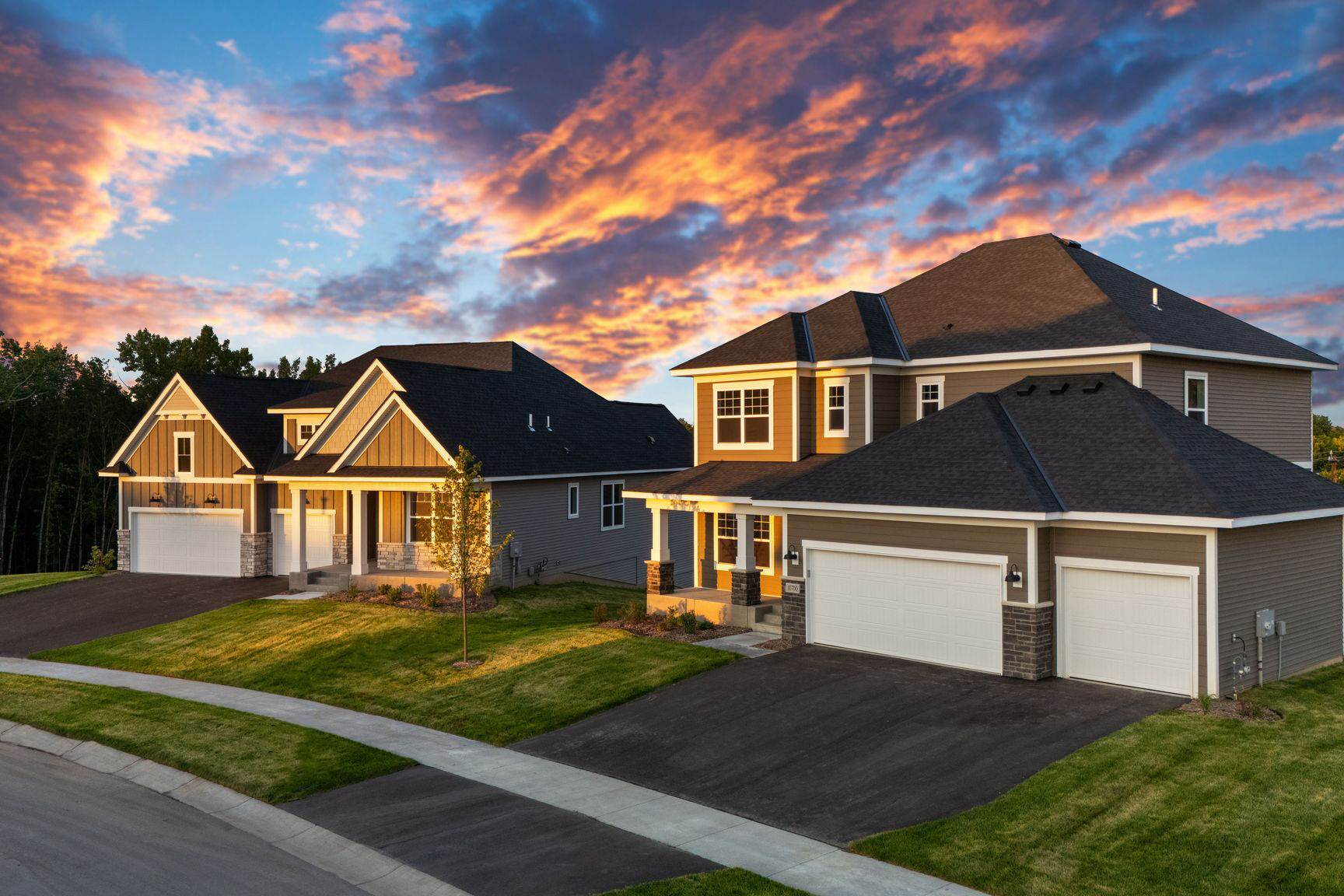
M/I Homes is active in several premier Minneapolis-area communities, offering modern construction and energy-efficient designs. If you’re ready to stop renting and start building equity, now is a fantastic time to see how the current market can work in your favor.
Are New Build Homes Actually More Energy Efficient?
Living in Palmetto, FL
By browsing, you accept our terms of use and privacy policy.


