

New Construction Home Warranty: What You Should Know
 )
)
If your room feels like it’s missing something, a piece of tasteful wall art could be just what it needs. But how do you know if you’re hanging it in the exact right place?
Here are some easy ways to ensure you’re nailing your wall’s visual appeal every time.
For a good starting point, we asked Chloe Hughes, Editor in Chief at Foter, where she shares dozens of other interior design tips. Here are four things she considers in a room when getting ready to add wall art:
One of the basic rules of starting out with decorating a home is to keep it simple. It’s always better to start minimally, then add more later if you feel the room still needs it. This helps avoid overdoing the décor in a room.
No matter which room or where in the room you’re hanging the art, here are three tips guaranteed to make it look right.
“Ideally, the frame or wall art must be located at eye level,” says Anton Giuriou, Architect and Founder of Homesthetics.
Creating enough of a buffer zone around the art piece really gives it the focus it deserves in the room. Before hanging your piece measure your sightlines around the room—furniture included—as well as measuring the size of the piece.
For optimal symmetry and balance throughout a room, center your wall art. This avoids making one end of the room appear clunky or distracting.
Even if your room isn’t completely even with its other pieces, the wall art should still anchor the room. This makes for a satisfying, cohesive uniformity in the room’s overall look.
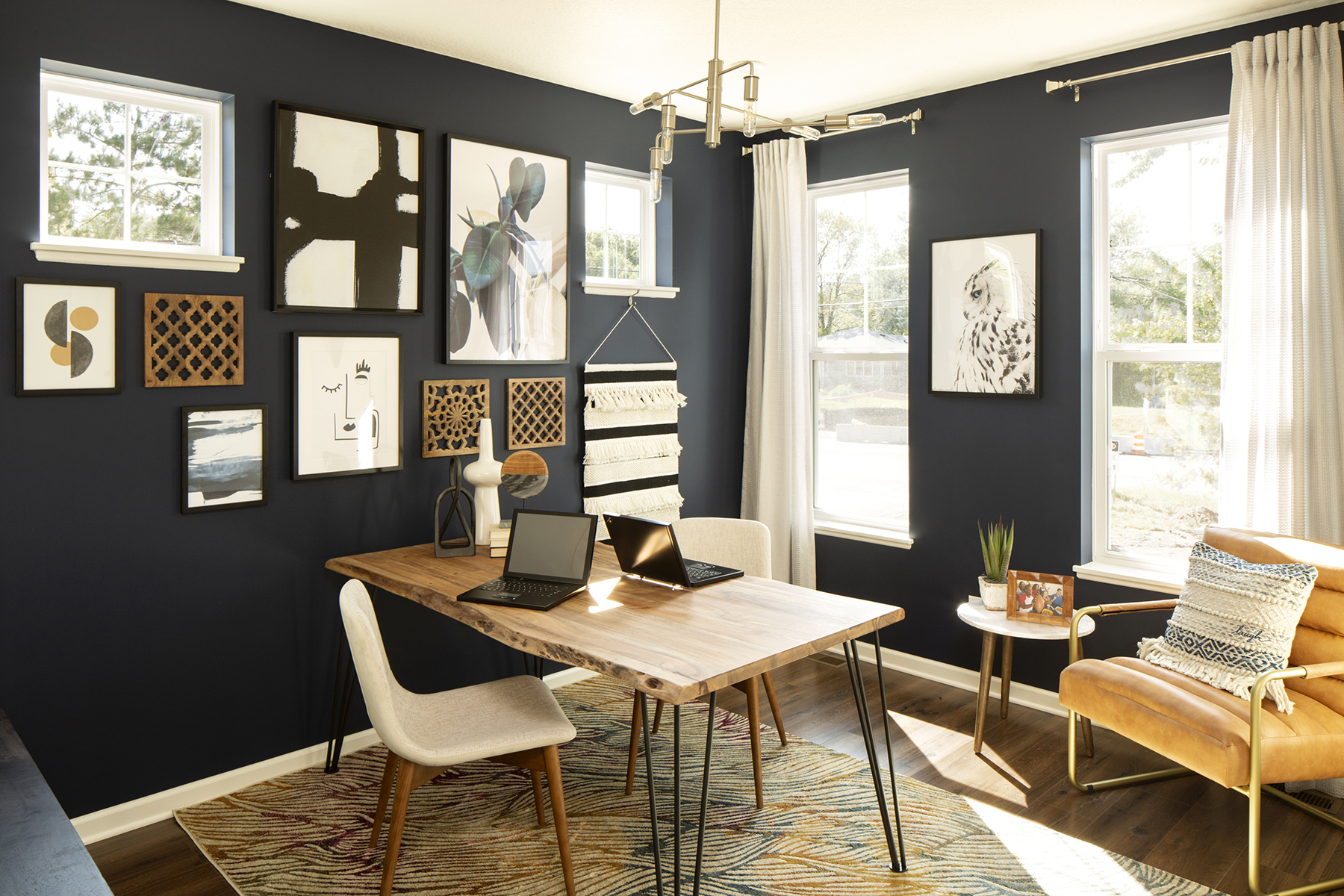
Don’t overcrowd any given wall with décor, unless you are creating a gallery wall. Instead, opt for one large art piece to create a focal point, or scatter small wall art across the wall.
Also consider where furniture is placed throughout the room. You want your household as well as your guests to be able to enjoy wall art, so don’t inadvertently hide or bury it behind other pieces.
There’s a way to decorate walls all throughout your home, even in the smallest or most utilitarian rooms. Here are locations to hang wall art in (almost) every room.
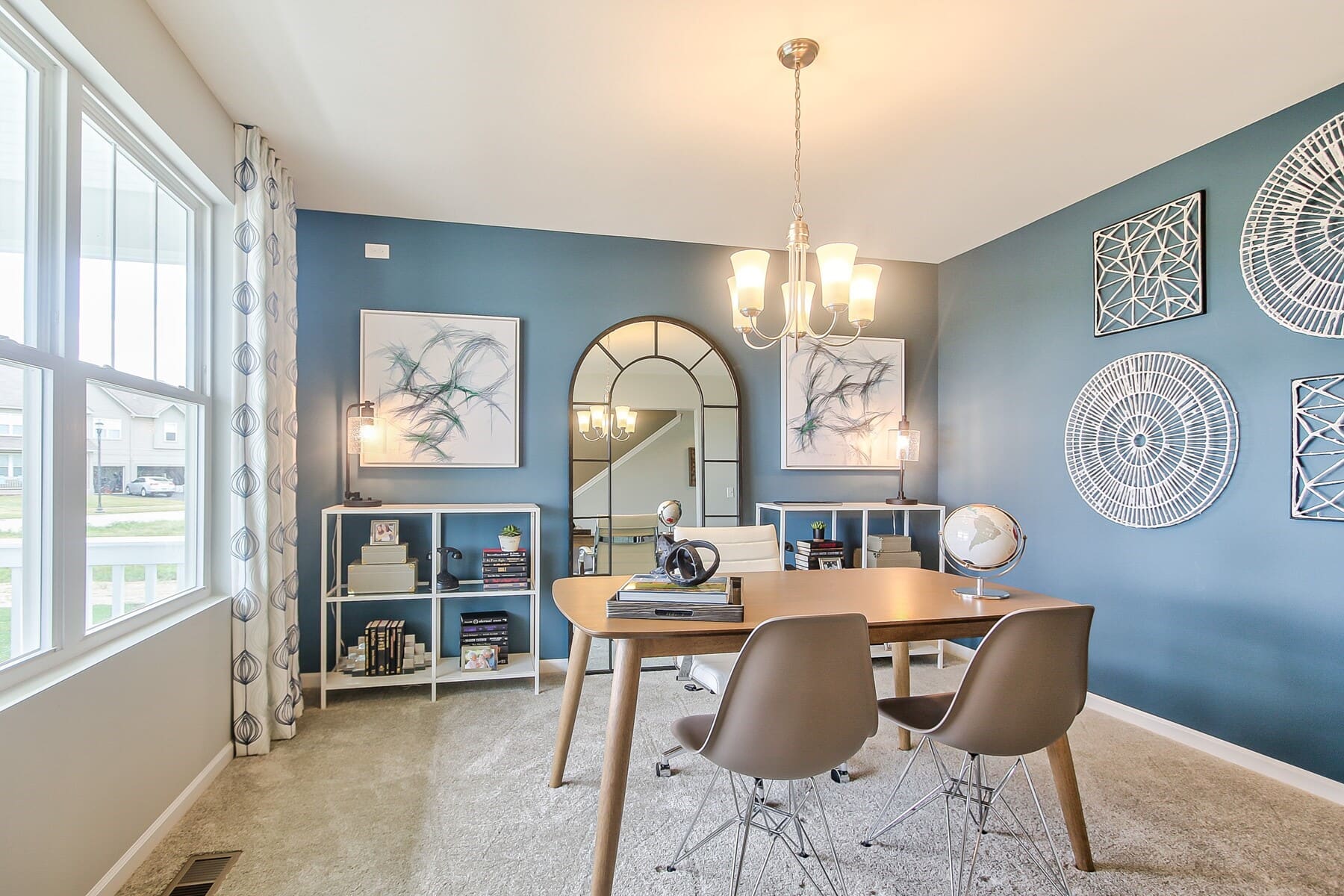
The best location for wall art in a home office is behind the chair at the desk. This just naturally unites the room around what’s often already at the center.
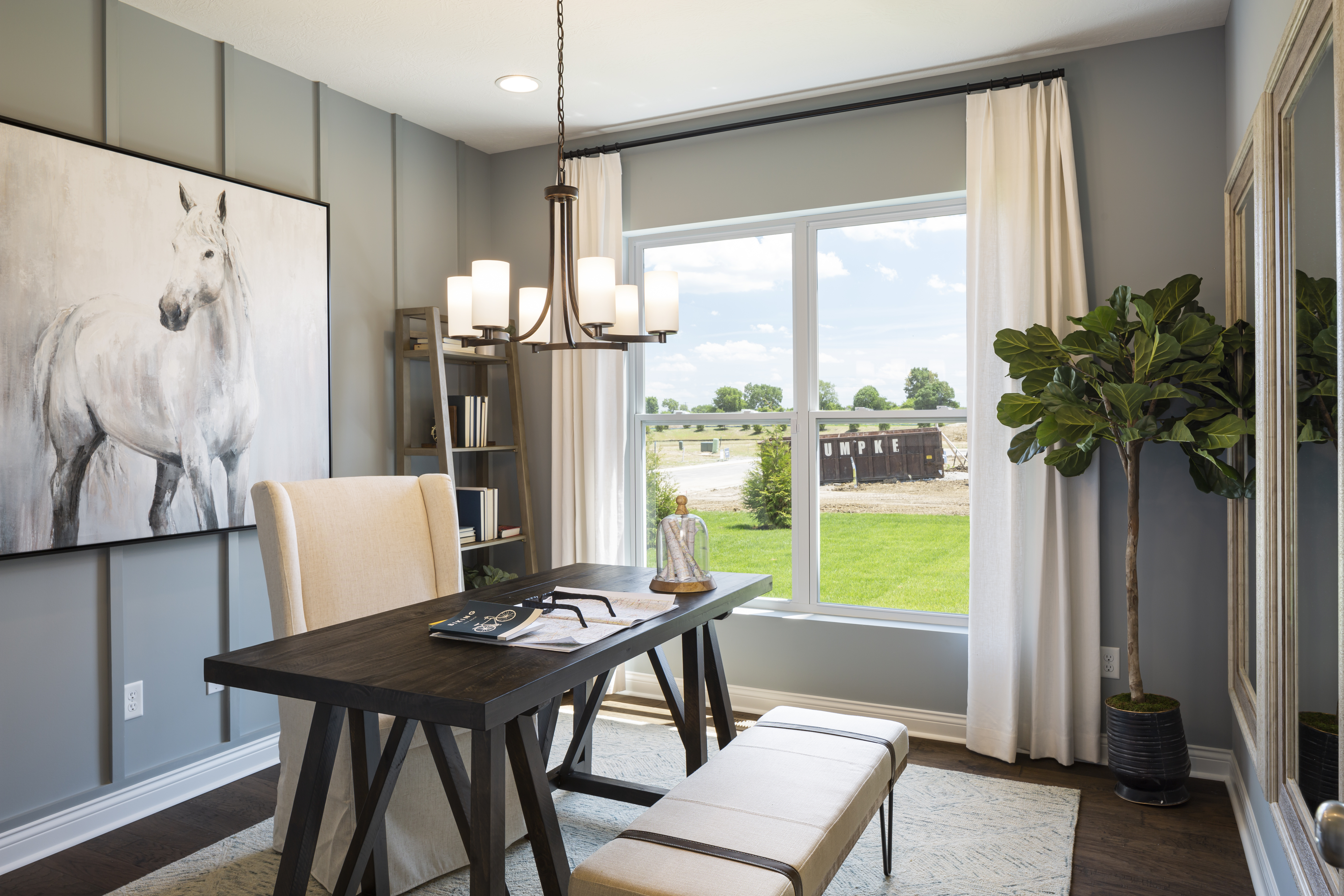
If the desk is mounted or flush against a wall, try centering the art directly above the desk on the wall. Just make sure you set up your computer or laptop off-center so you don’t block the view of the art.
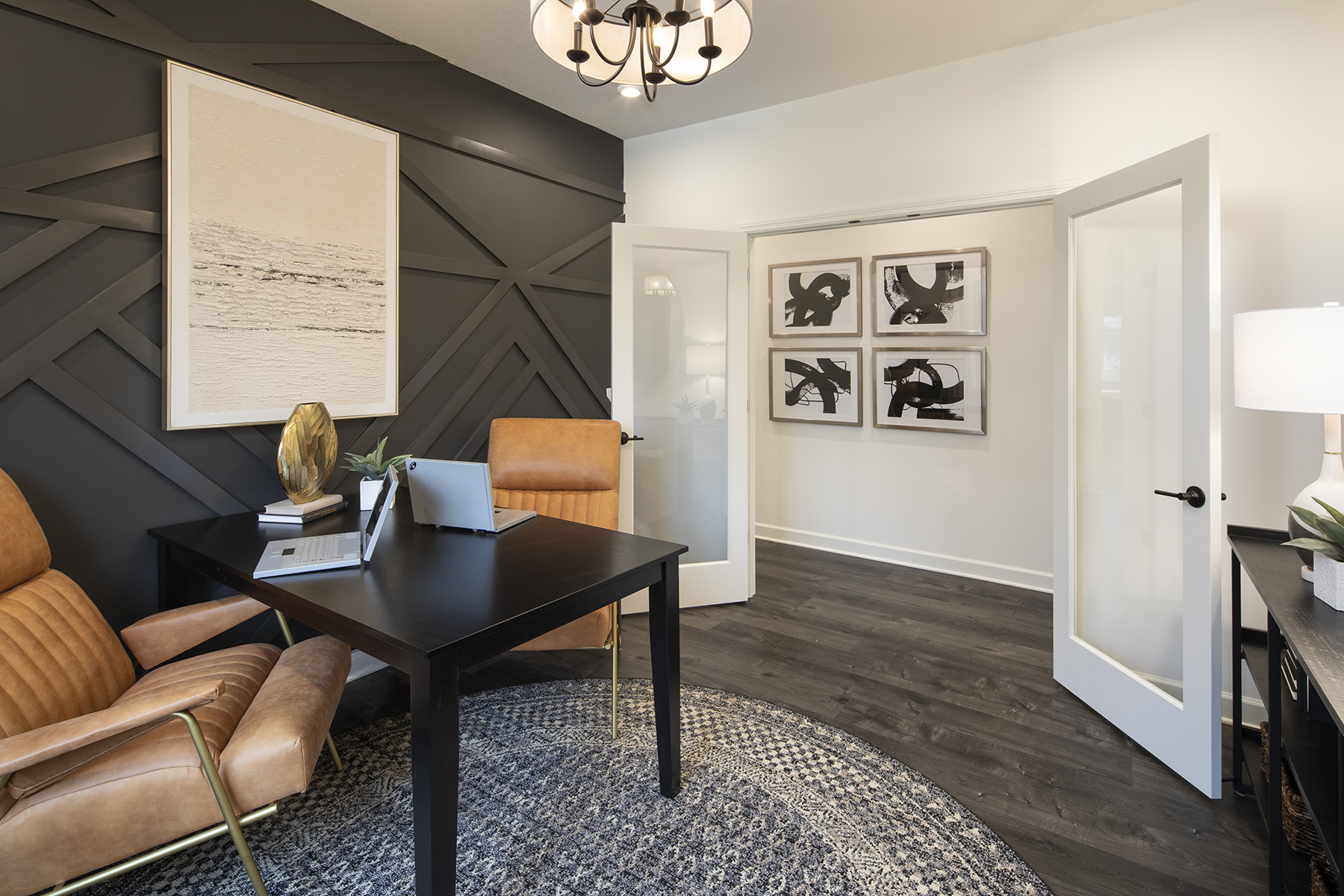
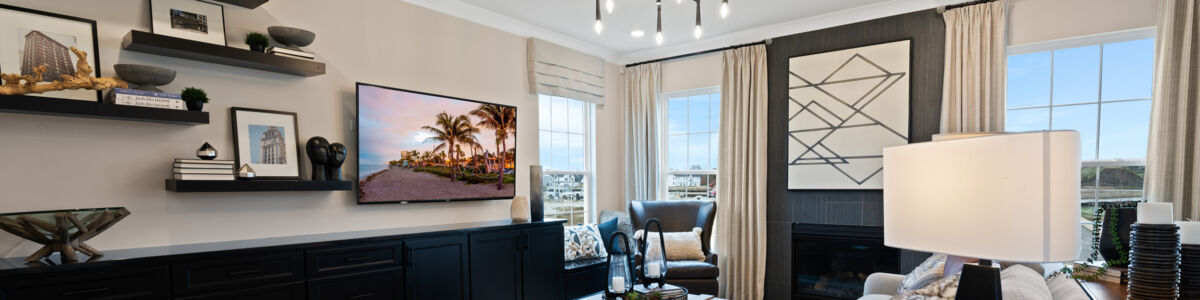
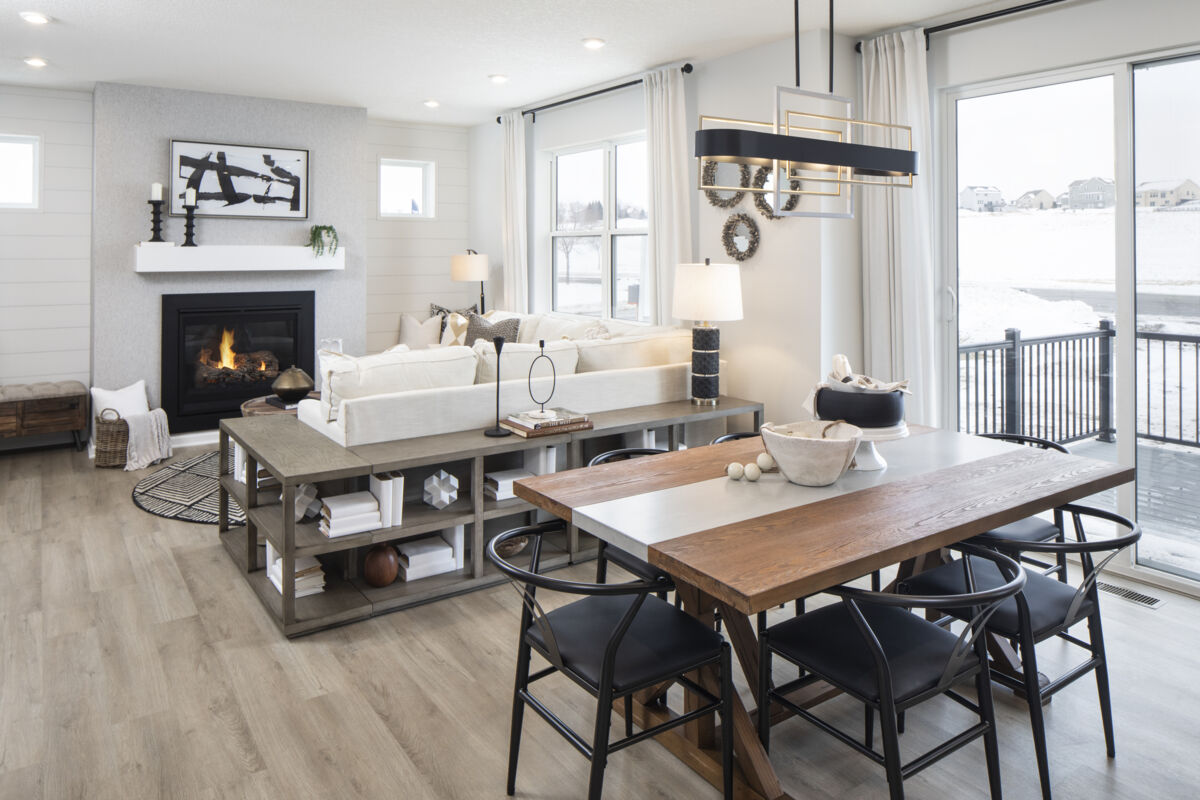
If your home has a fireplace, we love the mantel as the most dramatic way to showcase a piece of art.
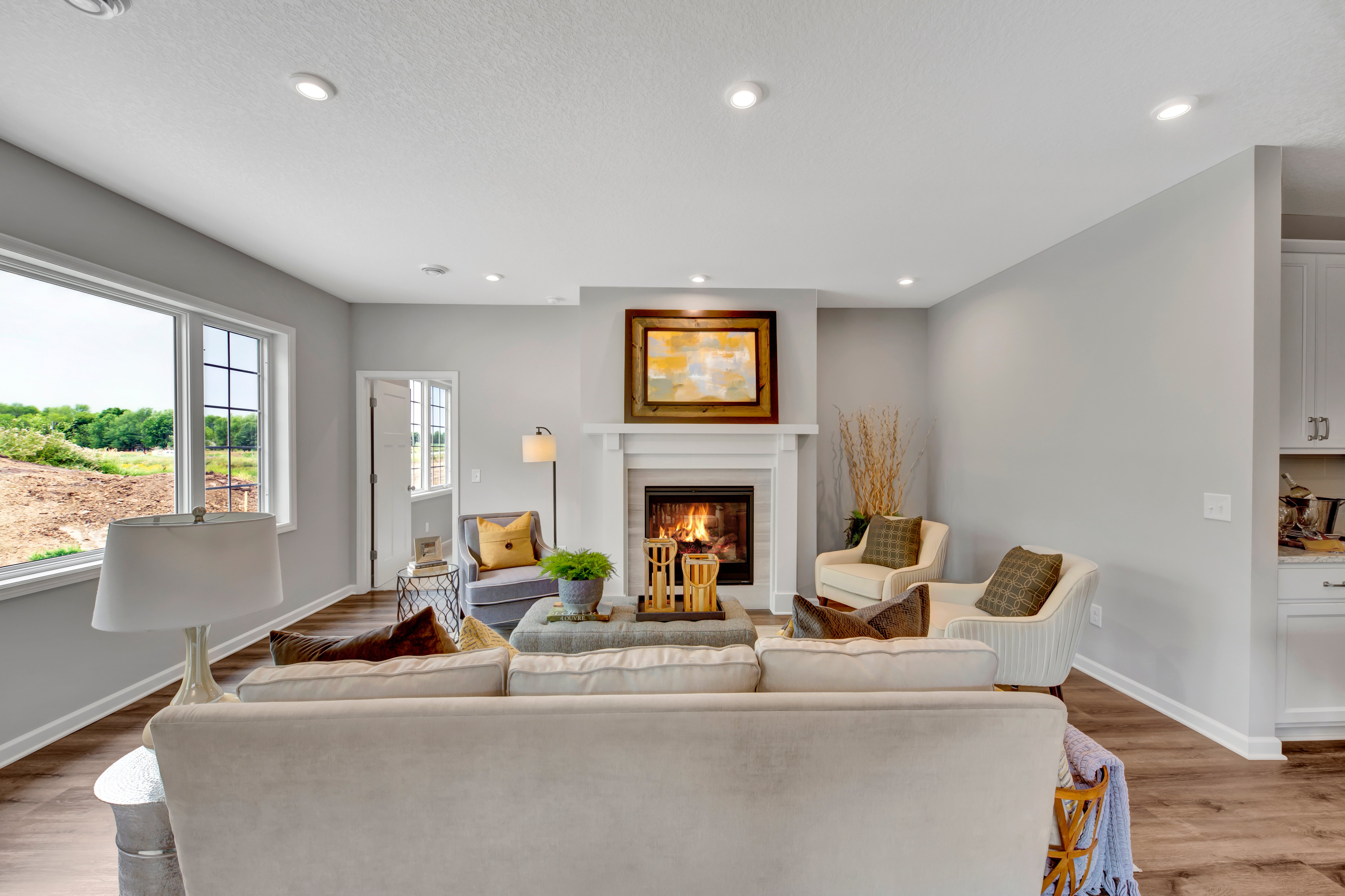
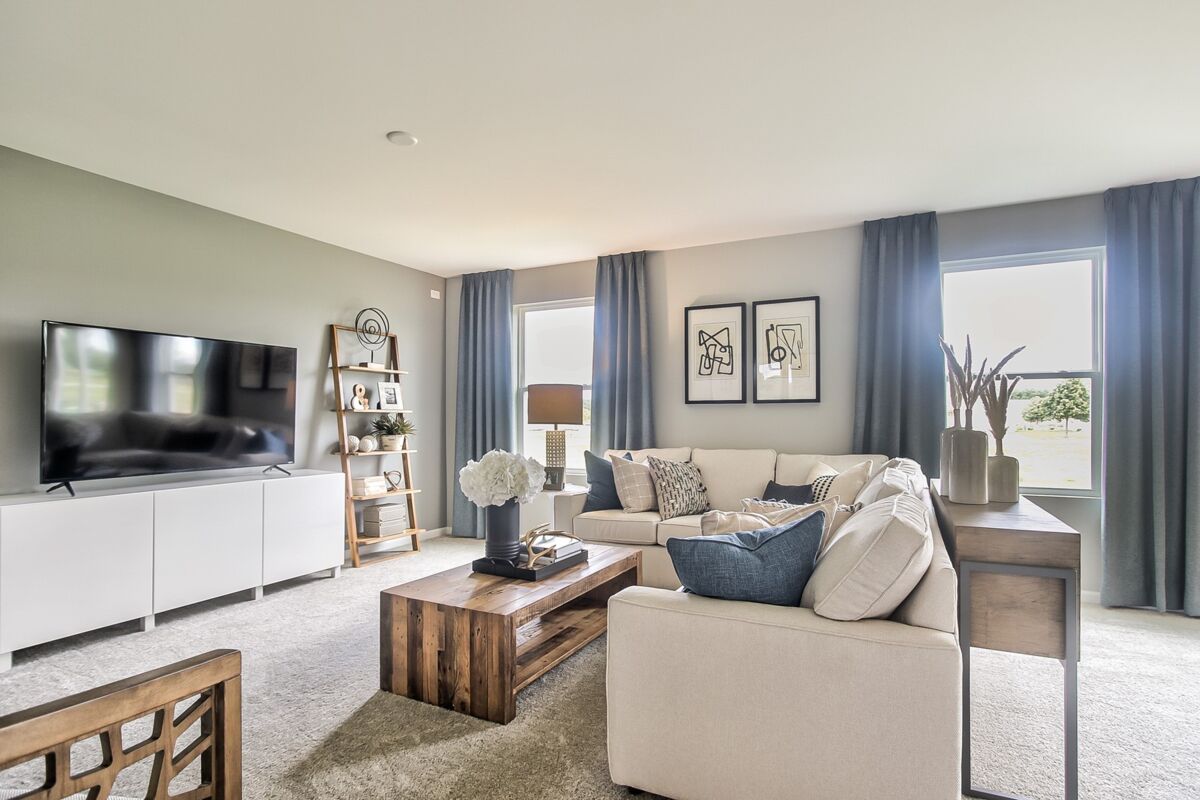
Another great location is anchored around the seating arrangement in the living room. “Note that the perfect way is to hang it above your sofa, at the center,” Giuriou adds.
Find living room décor that fits your personality to add a personal story and meaning to your walls!
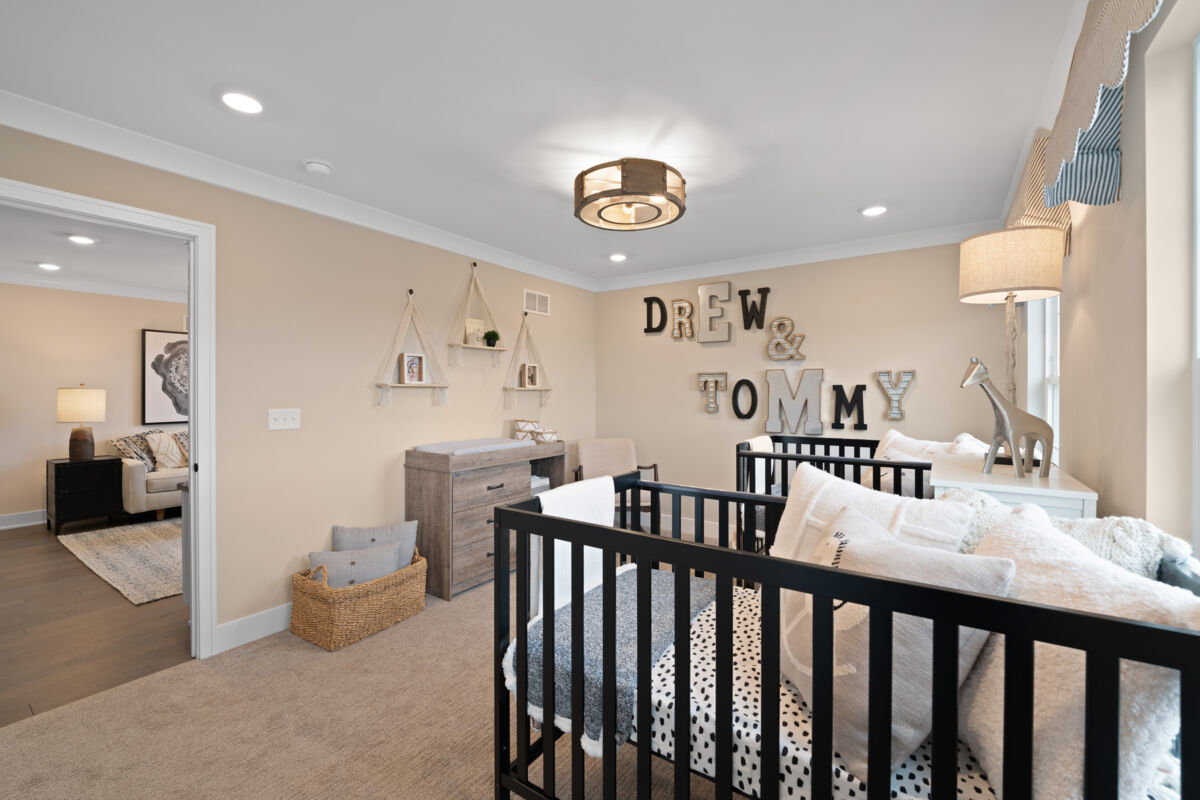
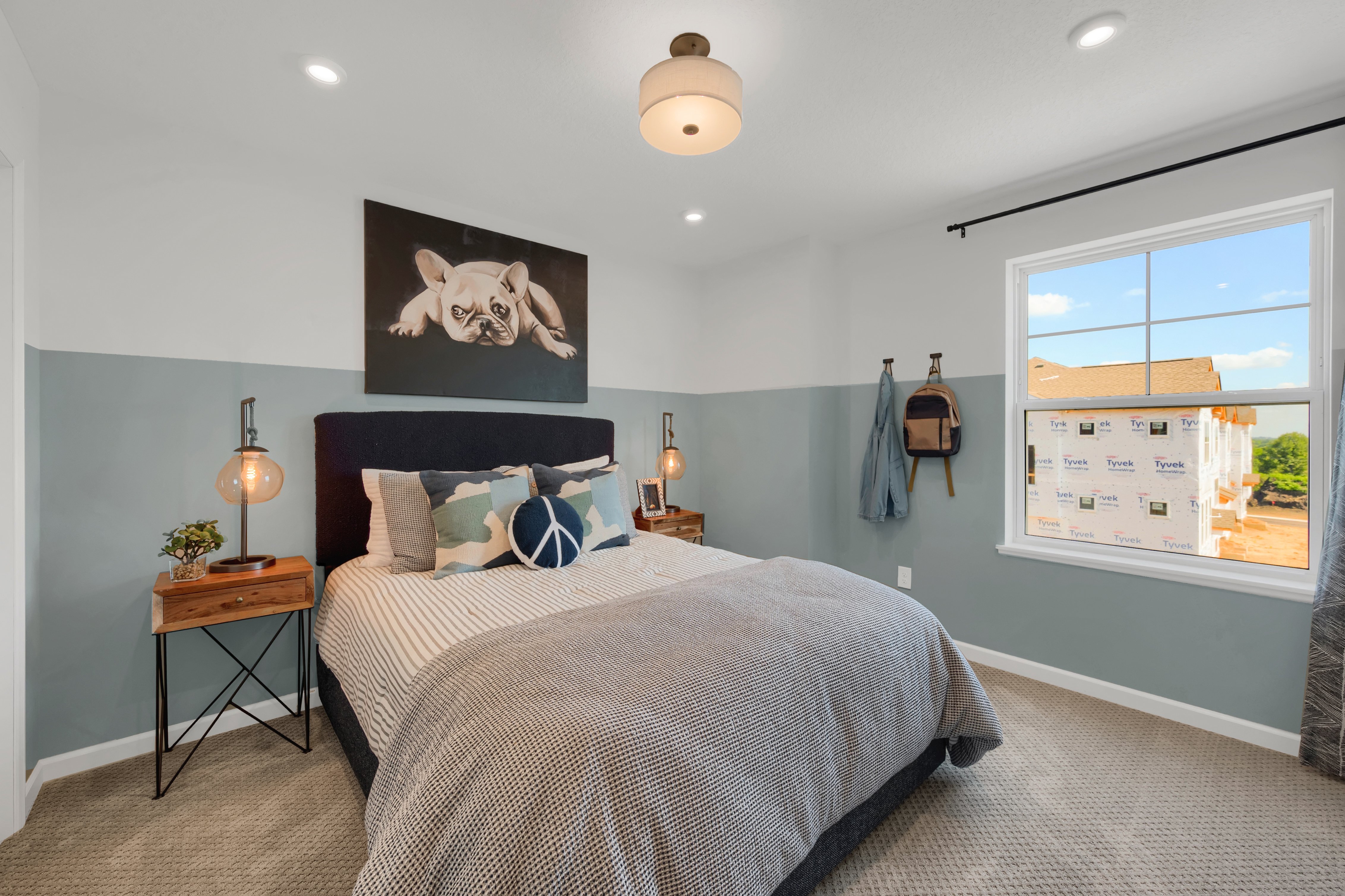
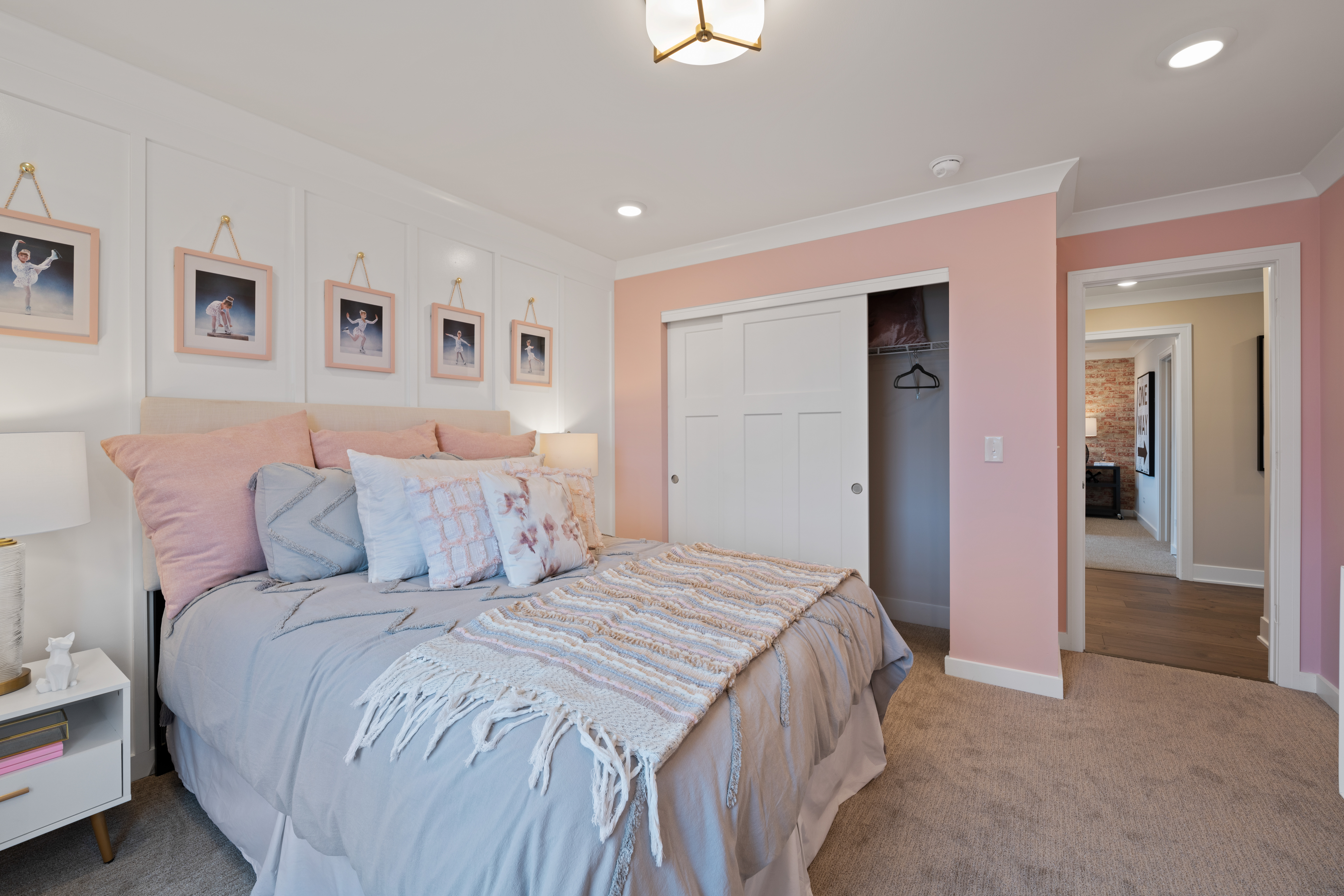
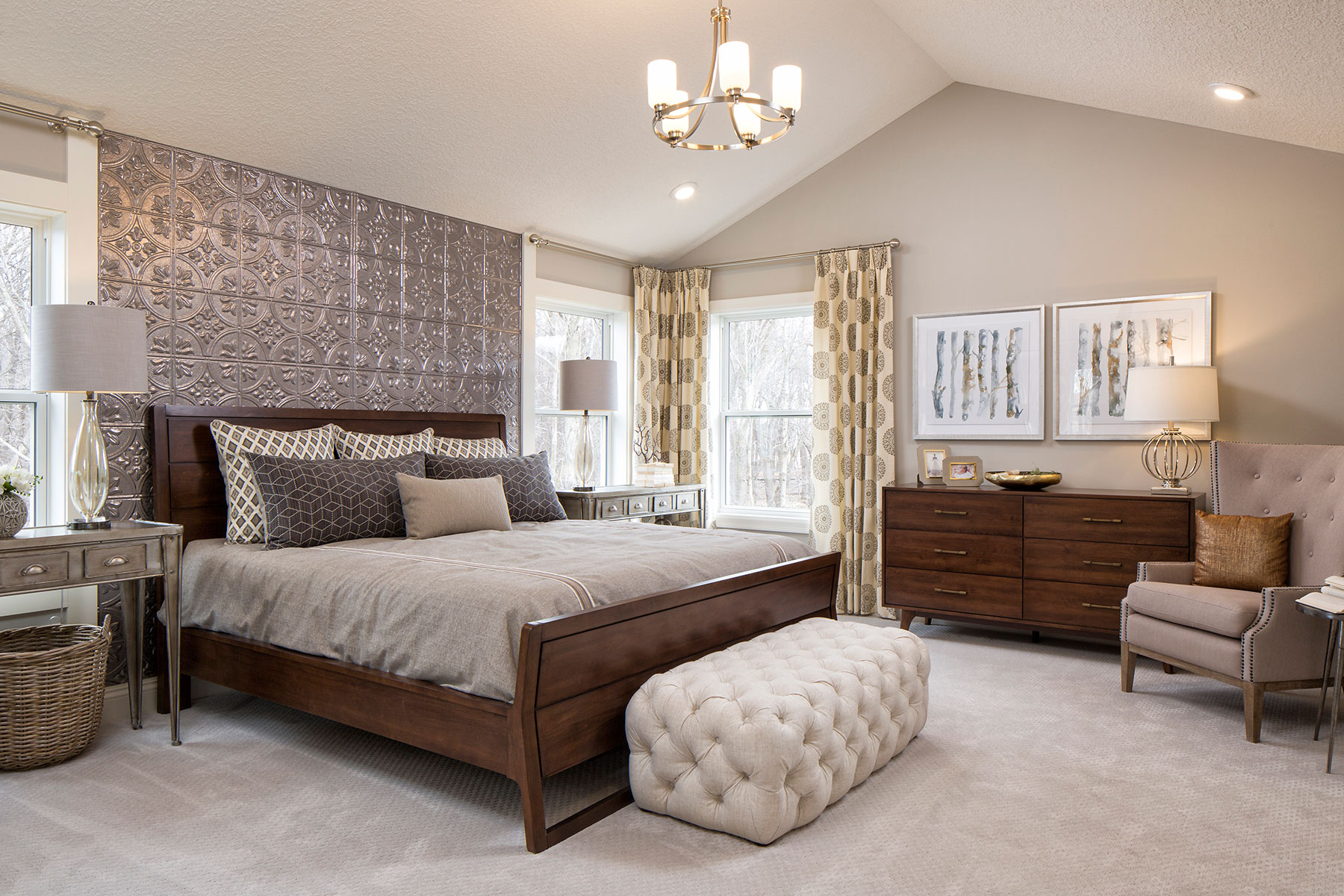
There are two ideal locations to hang wall art in a bedroom:
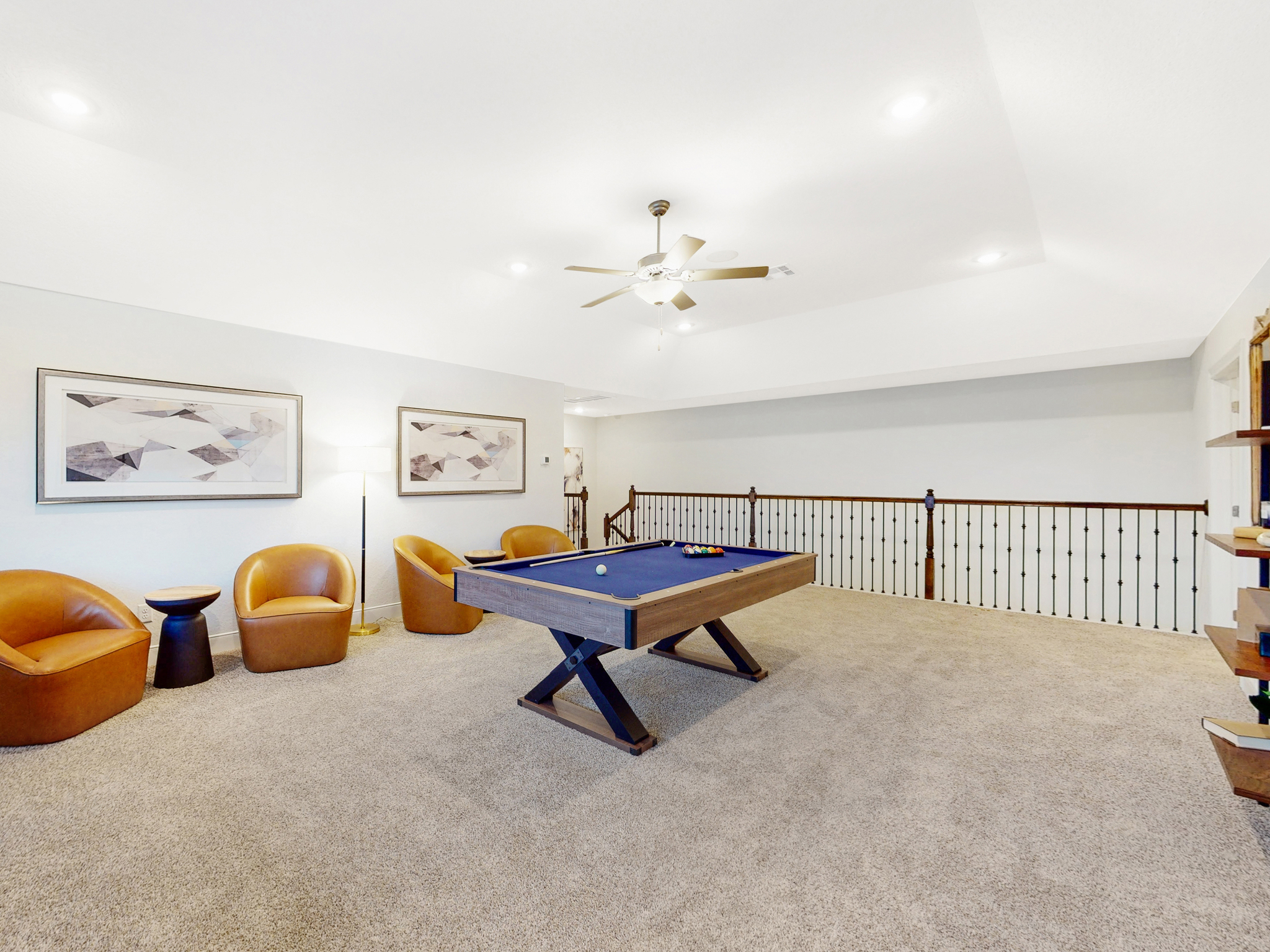
Game rooms aren’t exempt from tasteful home design. In fact, there are plenty of ways to keep game room décor looking polished and understated.
Balance out colorful elements with a neutral-colored piece of wall art, like matching geometric prints.
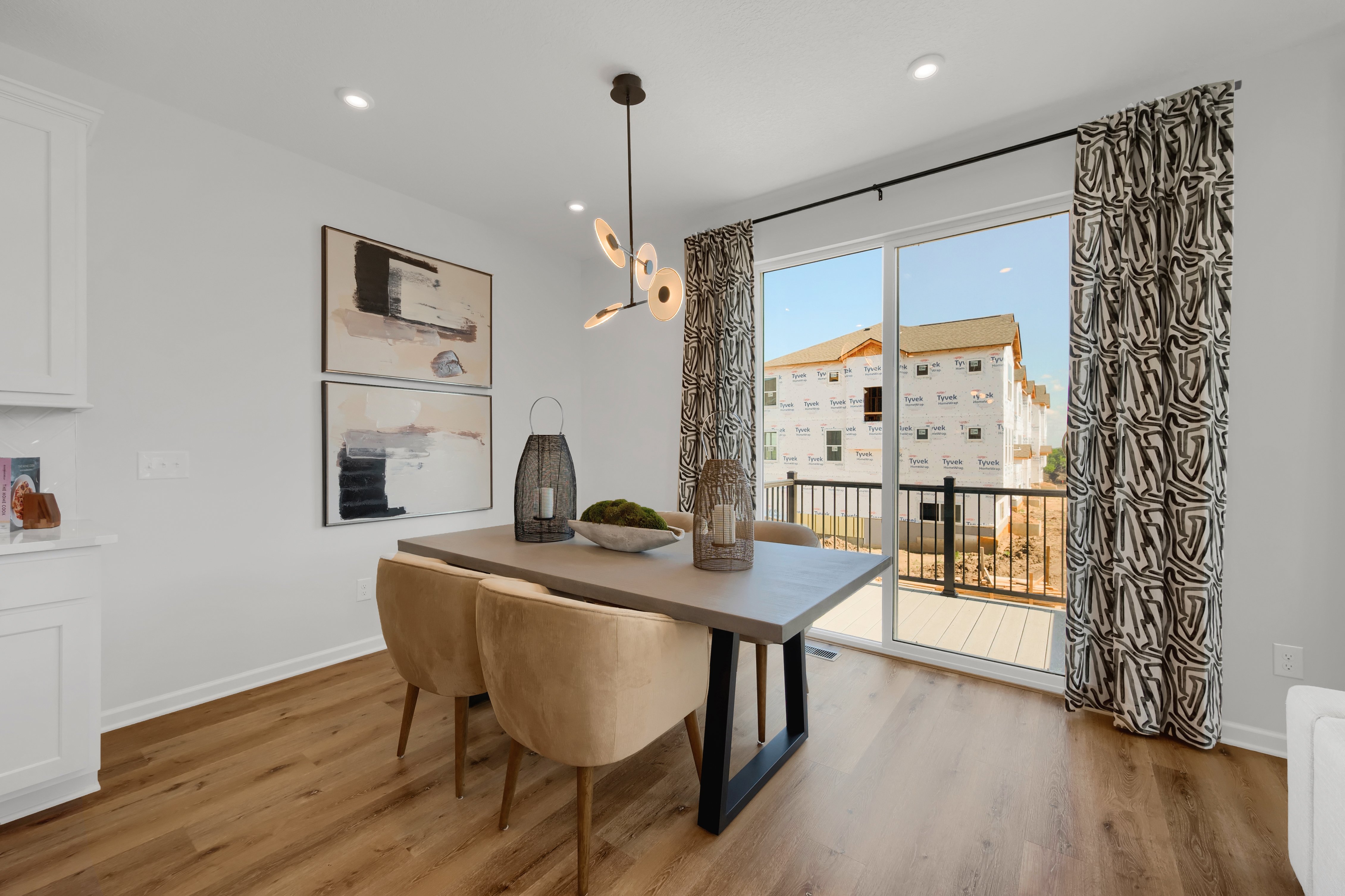
Place dining room wall art at one end of the table, aligned with the edge. No matter if your wall falls parallel to the longer or shorter side of a table, this positioning will work.
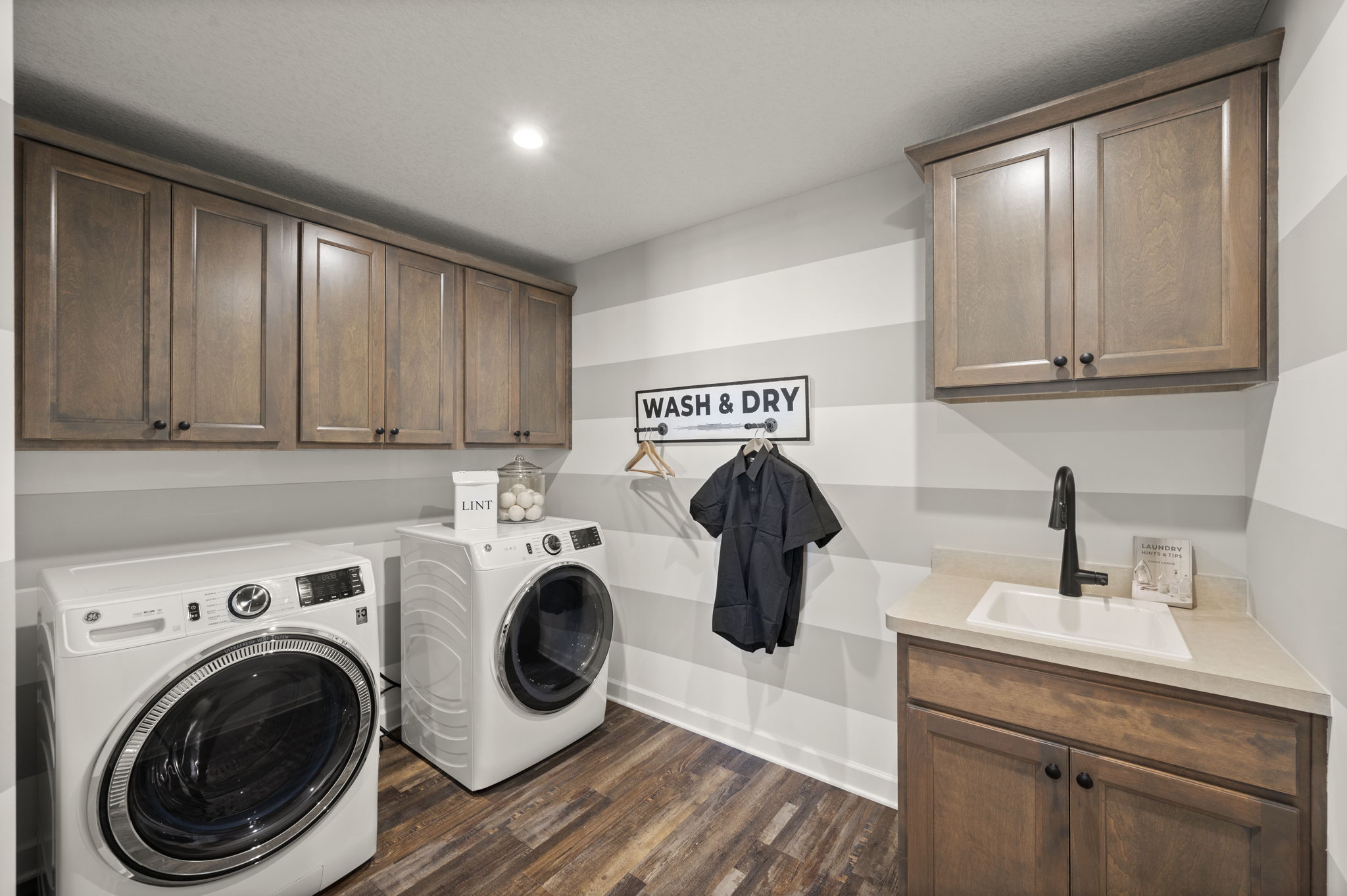
Prioritize functionality for any wall art in the laundry room. Find a piece that doubles as a shelf or hanging rod for air-dry items, and situate this piece convenient to your laundry sink or folding station.
With the wide variety of purposes a flex or bonus room could be used for, you’ll want to be able to change up decorations and furniture as your needs develop over time.
That said, try a shelf or ledge with freestanding art pieces first to liven up the space. Then, if you find that just-right wall art you simply must have, add it on an otherwise bare wall. This makes future redecorating a little less daunting.
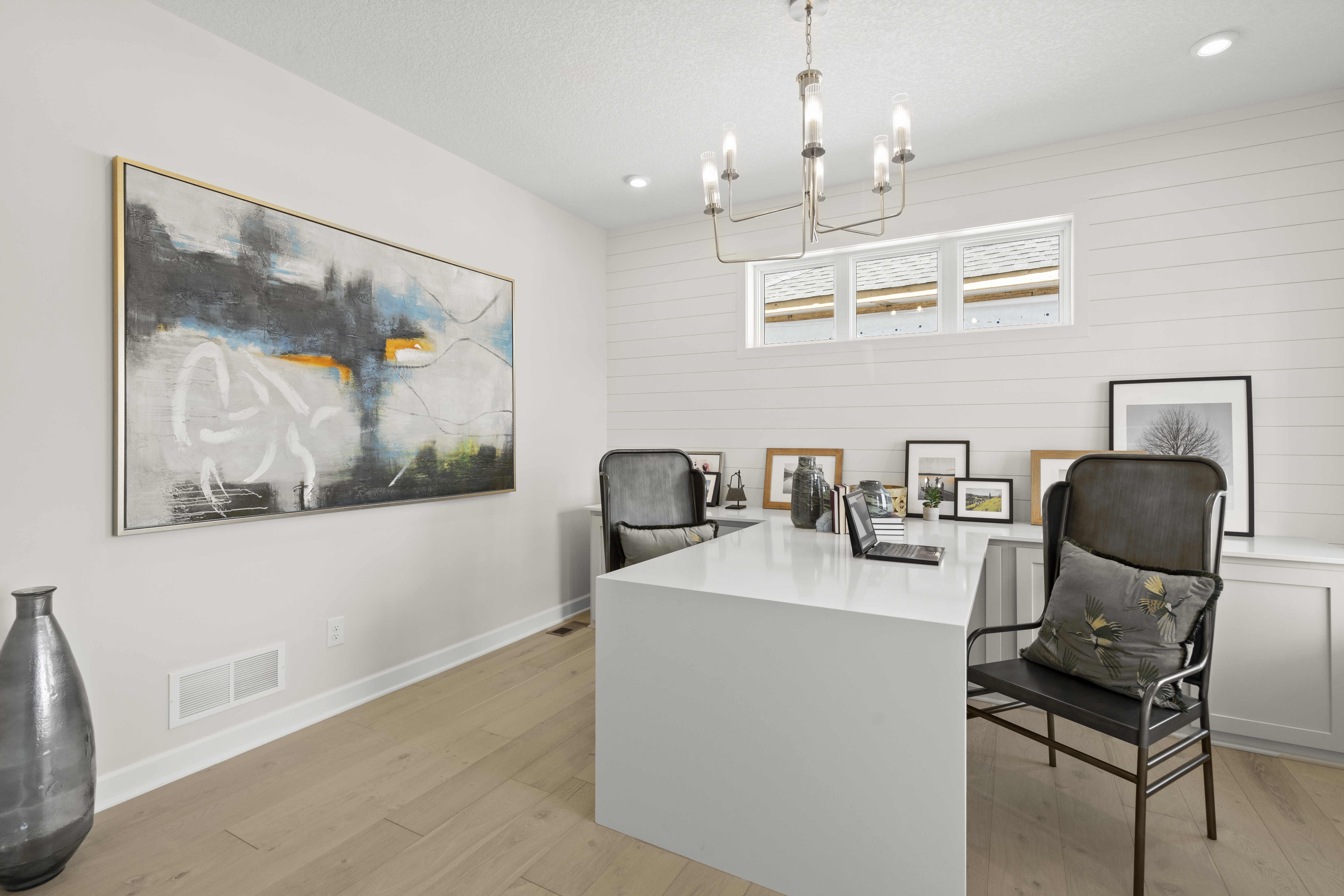
Kitchens don’t typically have a lot of options for wall art, since efficient kitchens use every square inch, but if your kitchen has an unoccupied nook or small wall, add a fittingly sized frame that matches the shape and size of the wall surrounding it.
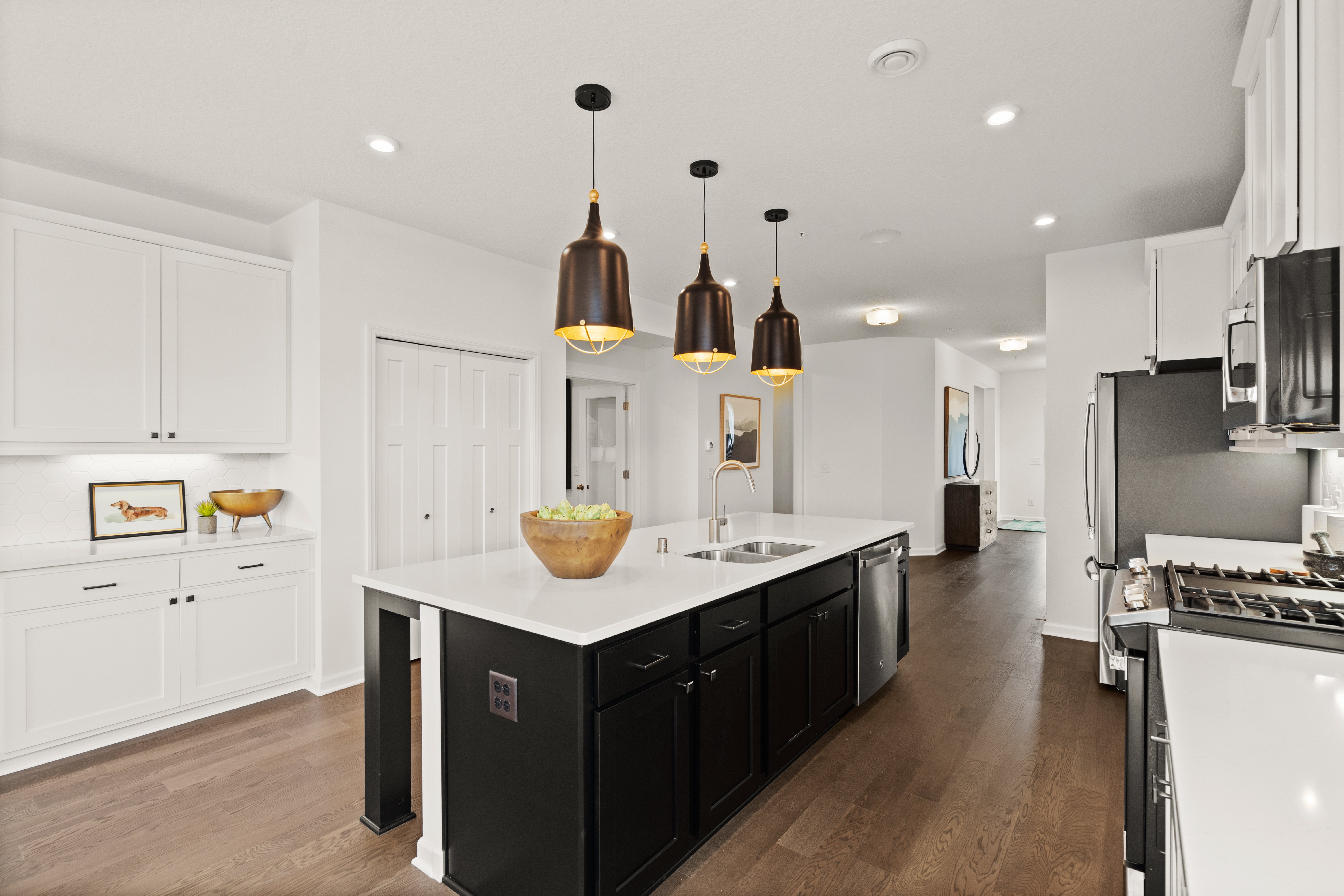
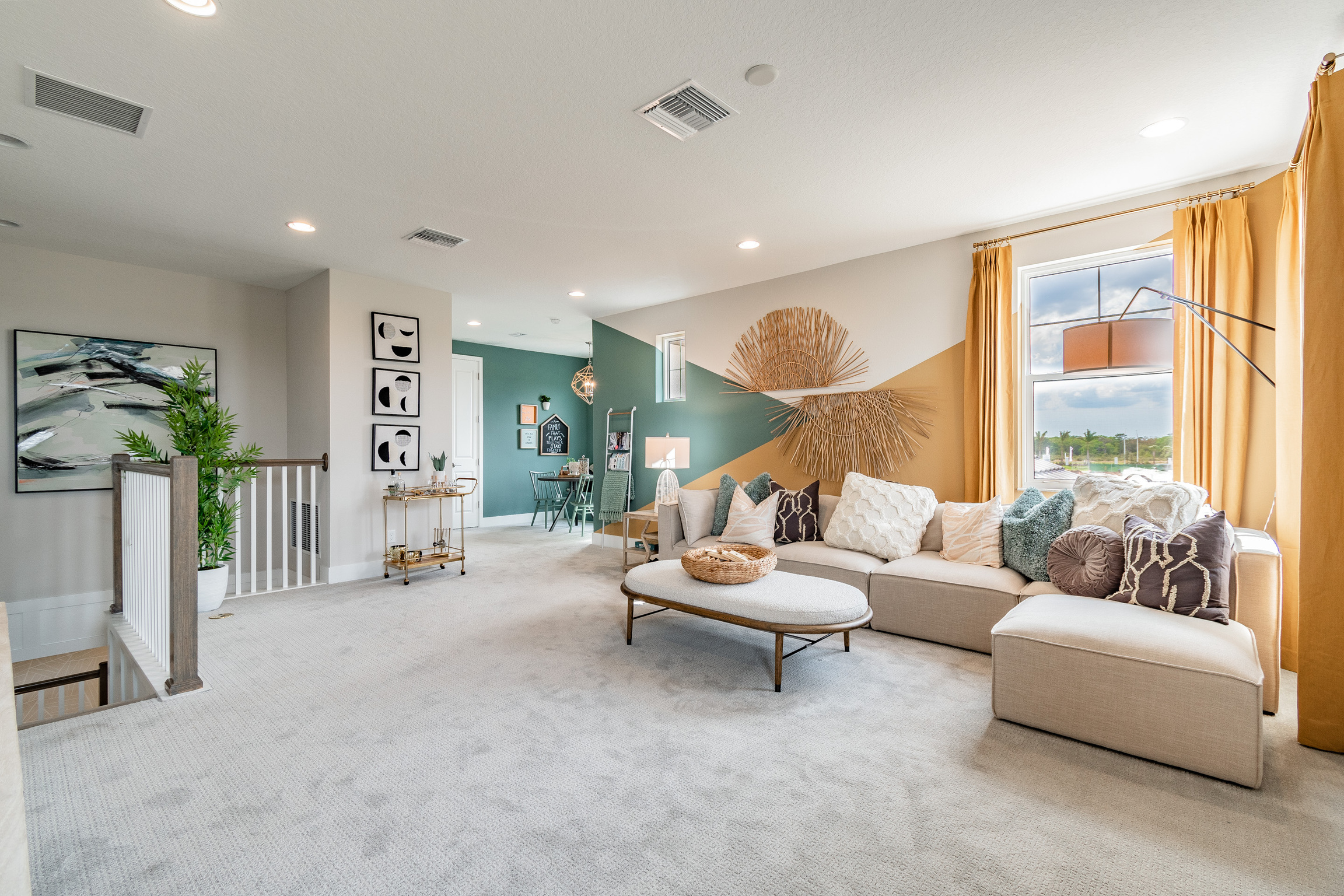
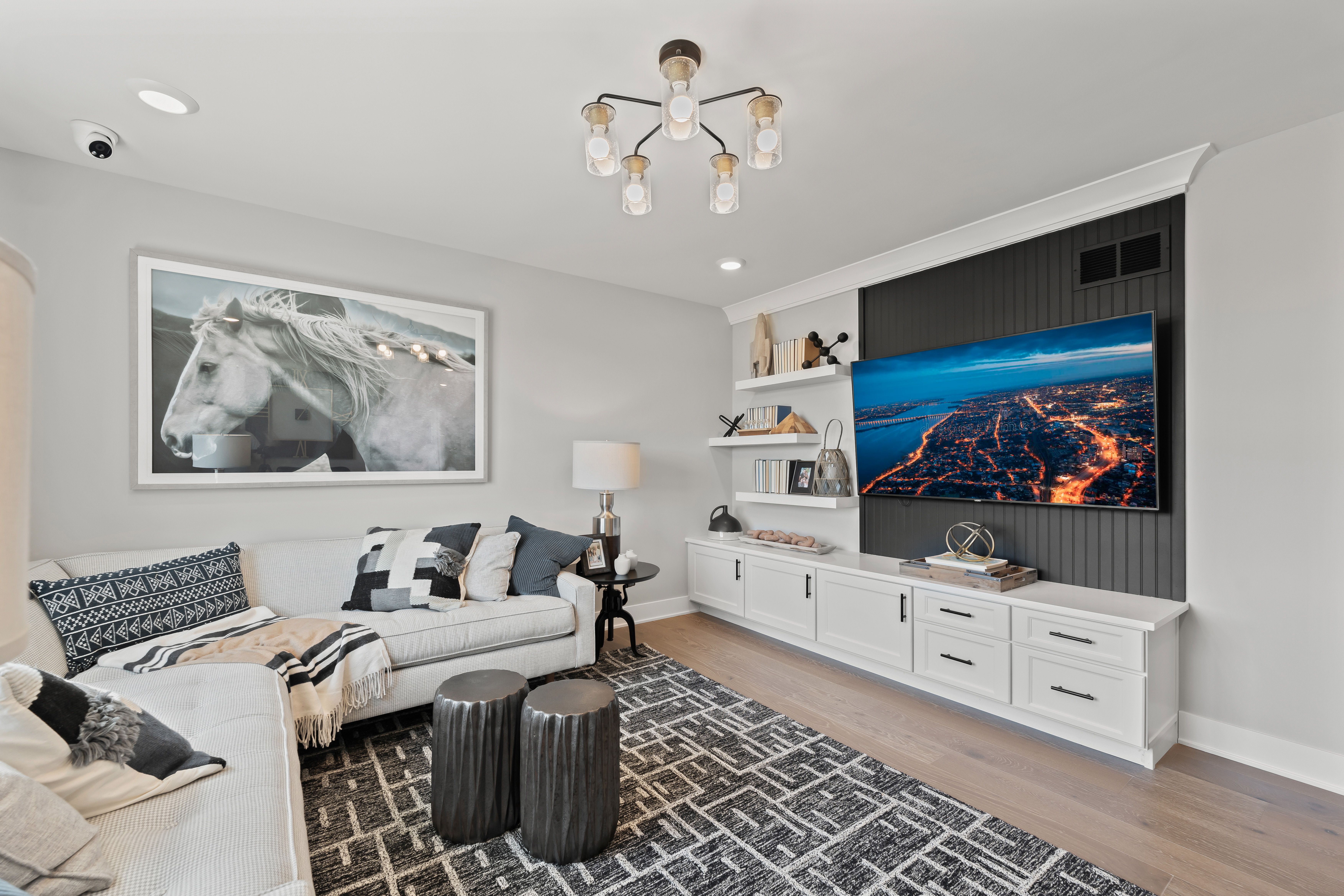
Lofts tend to be open areas with maybe only two full walls, one of which is generally taken up by a TV or bookshelf.
If you still have available wall space once your furniture is all in place, add a large statement piece to really add wow factor when your guests reach the top of the stairs!
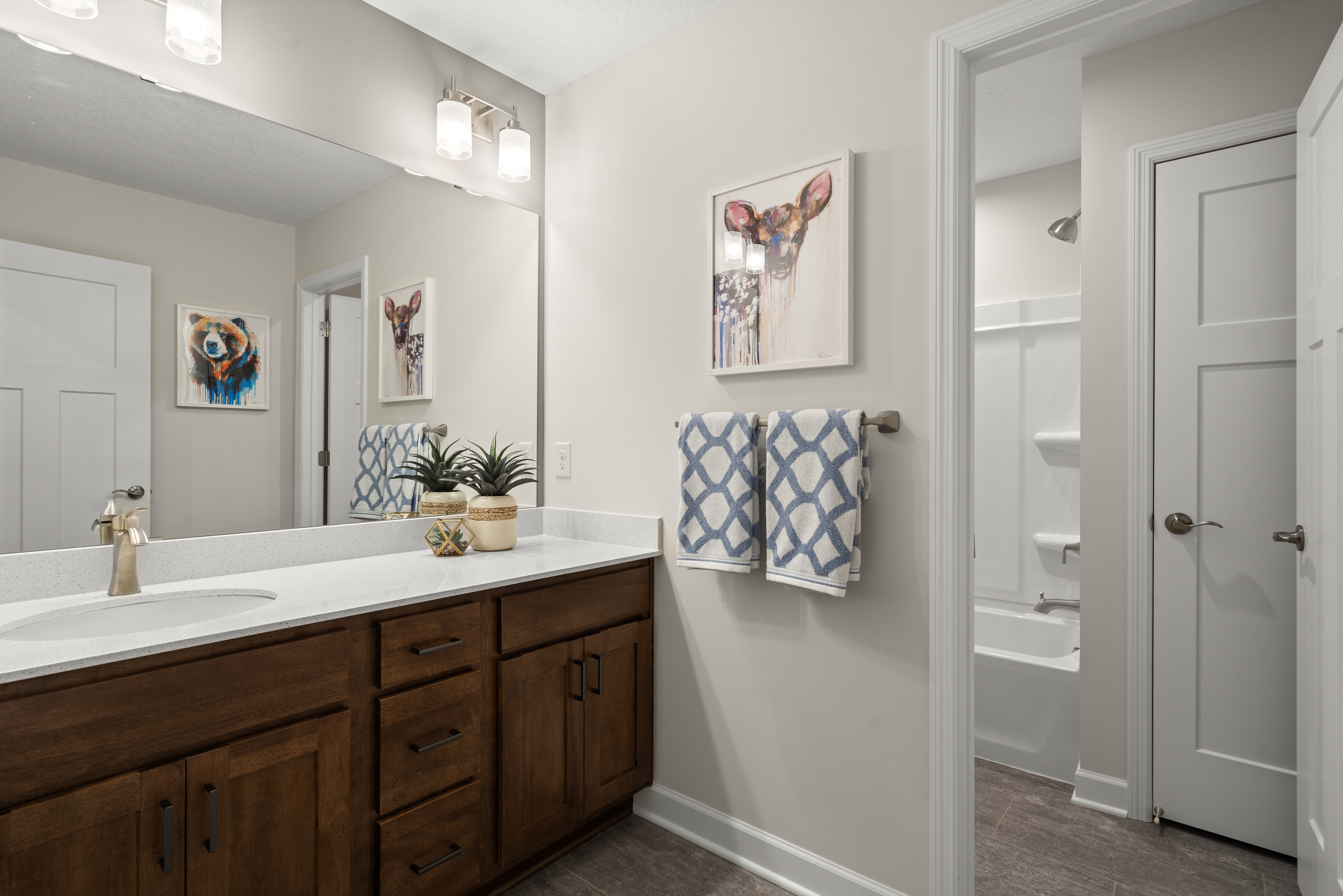
One or two small bathroom wall art pieces are helpful to warm up the space, especially in a guest bathroom or powder bath. Add these wall pieces above the hand towel rack or the toilet.
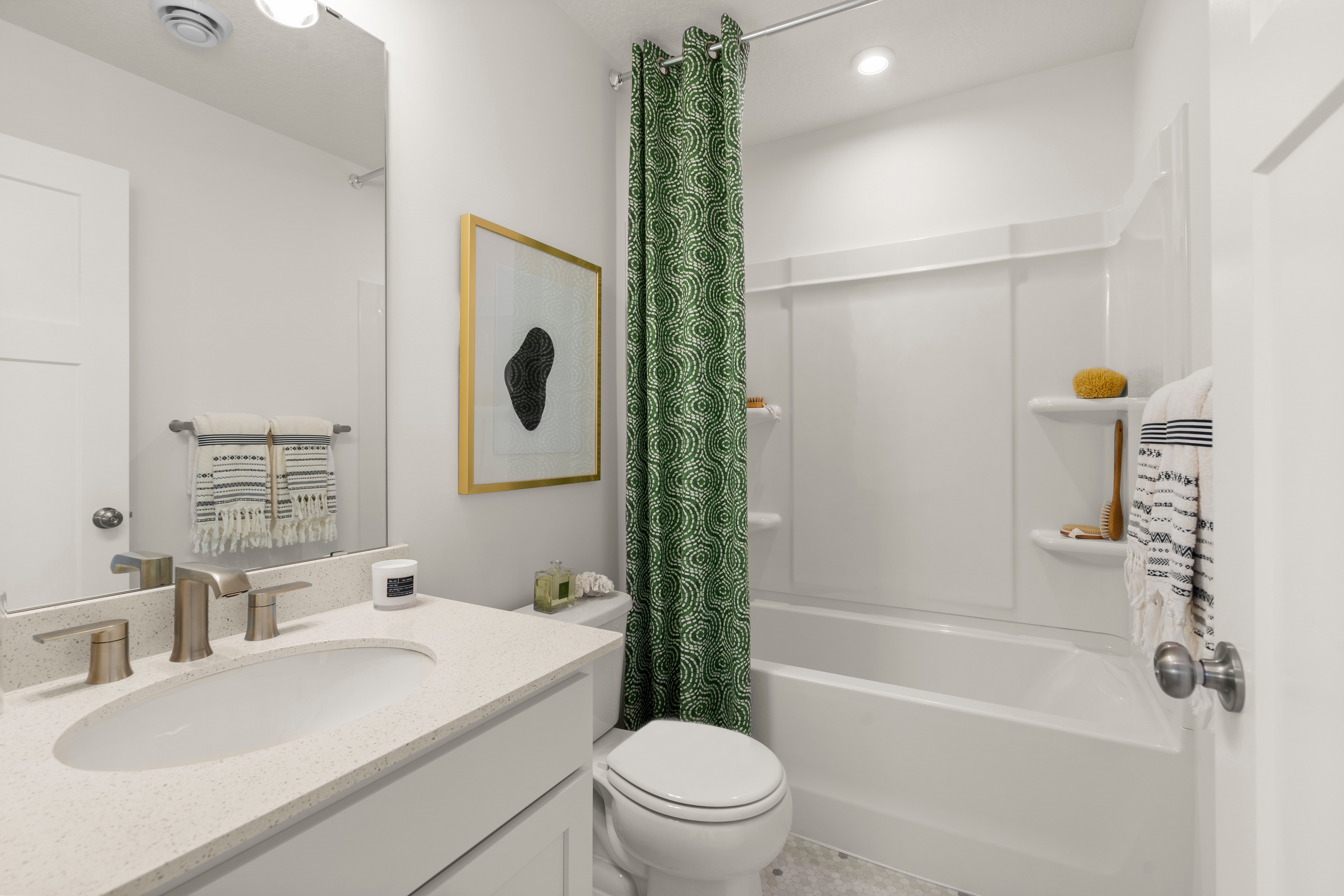
Now that you know the basics of where to hang wall art, we challenge you to get a little creative in one room of your home to try something fresh and exciting!
Here are some ideas:
Stack wall art vertically, rather than horizontally, for a towering, grand focal point.
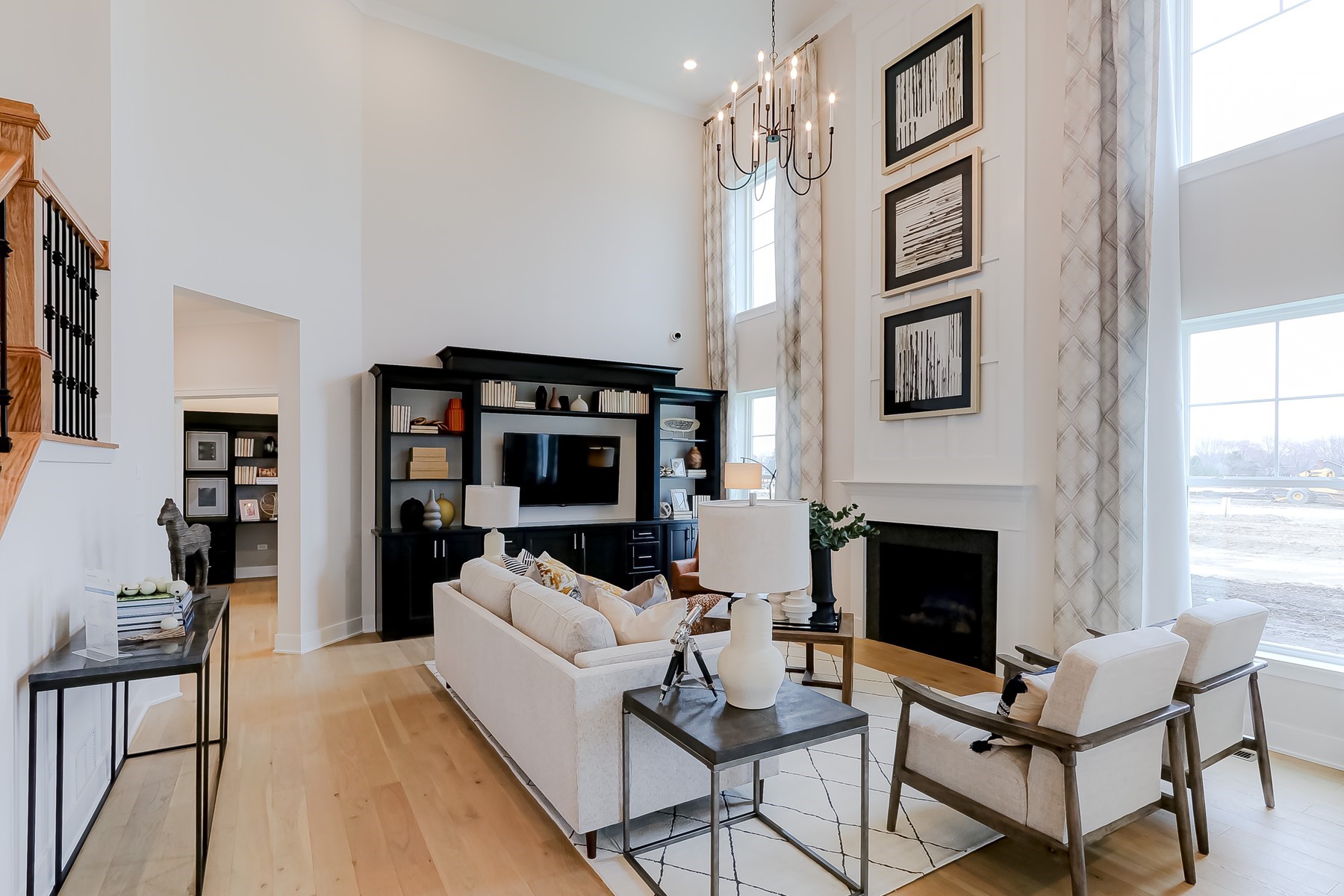
Double up with bookend or complementary pieces to add more of a narrative.
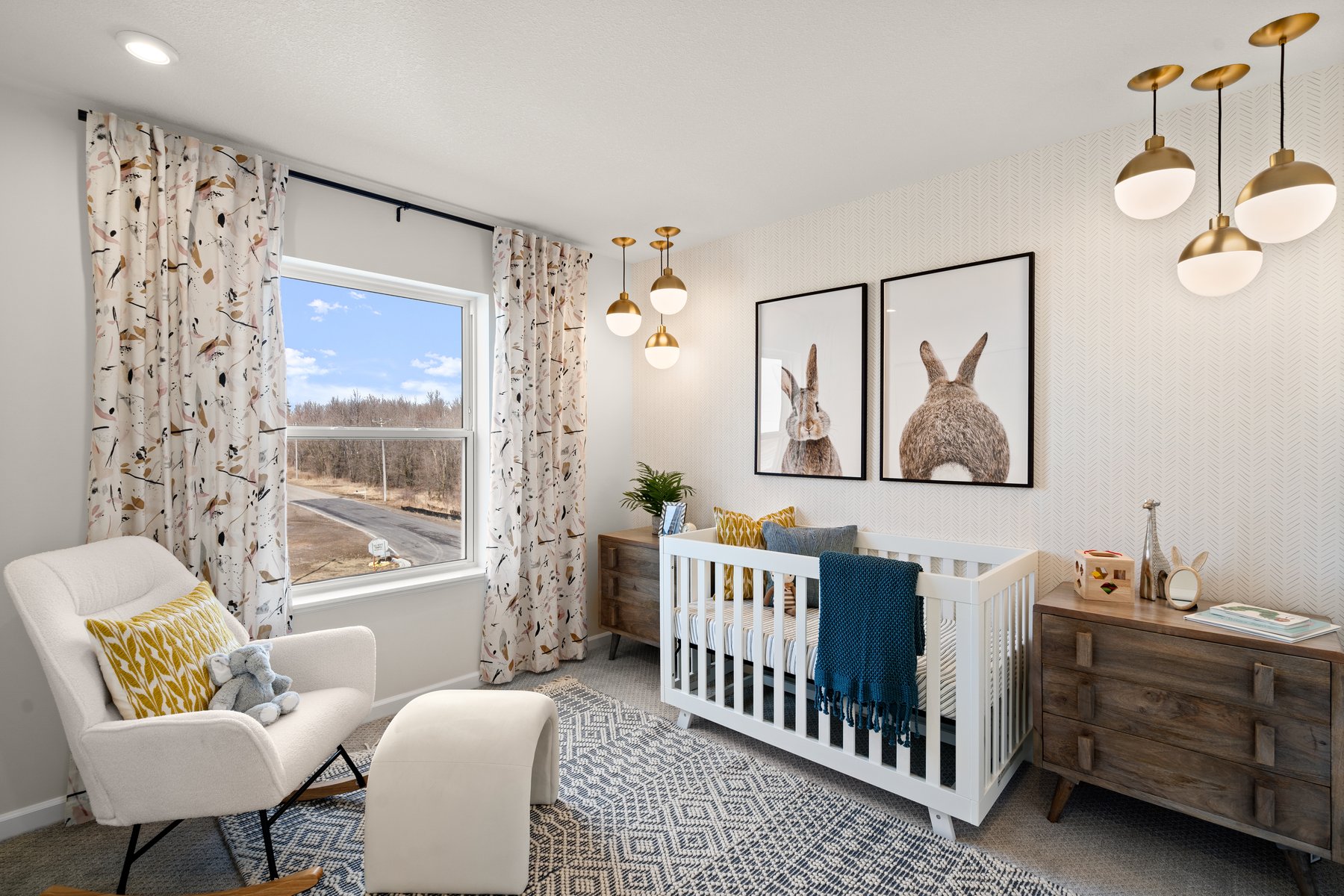
Layer art on top of an accent wall for more dimension.
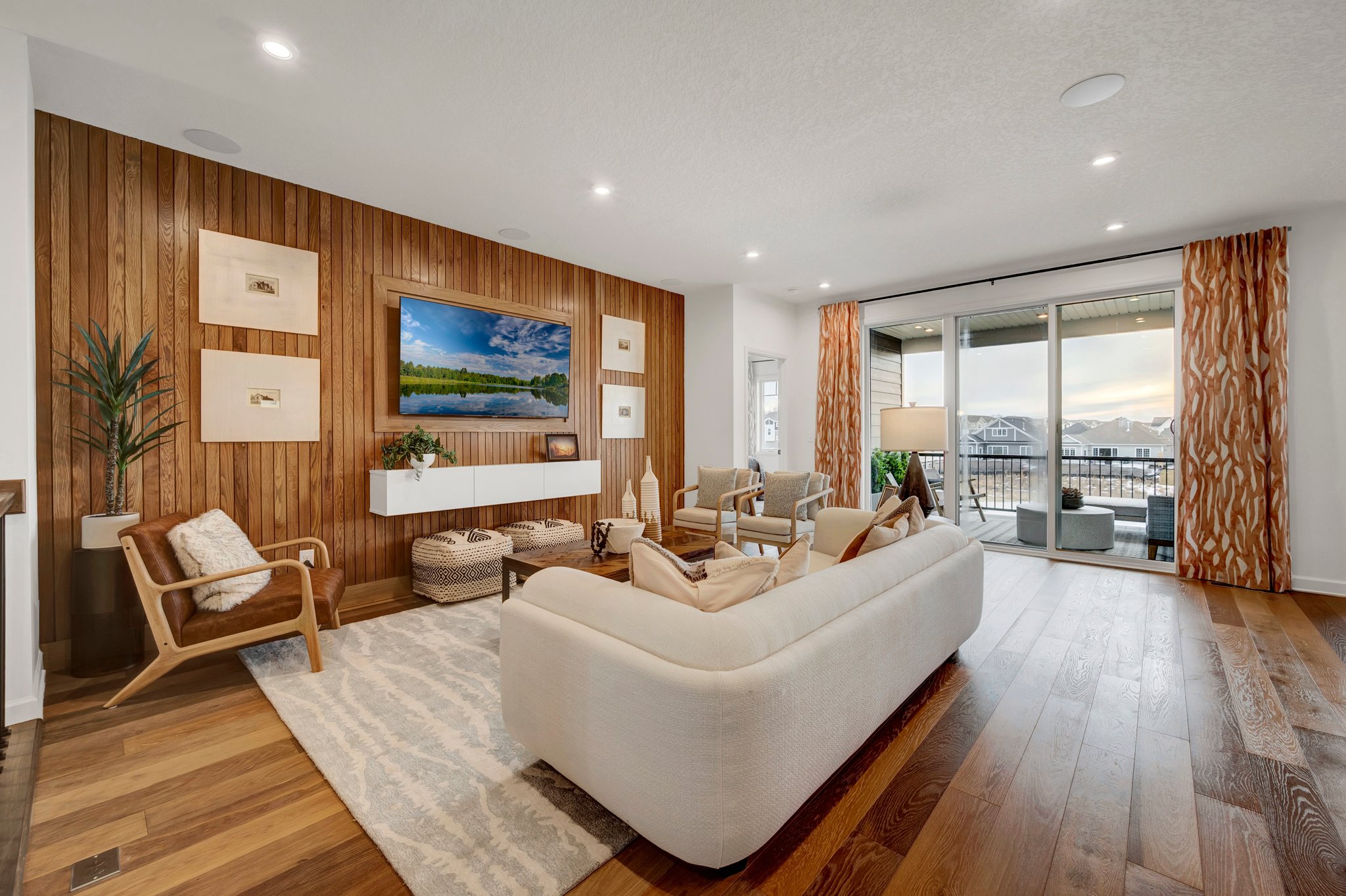
The nice thing about wall art is that it’s relatively easy to rearrange or swap out with a different piece later. Try an accent wall or wallpaper as your next wall décor adventure in your home!
New Construction Home Warranty: What You Should Know

Your Guide to Buying a Home Out of State
By browsing, you accept our terms of use and privacy policy.


